
Executive Overview
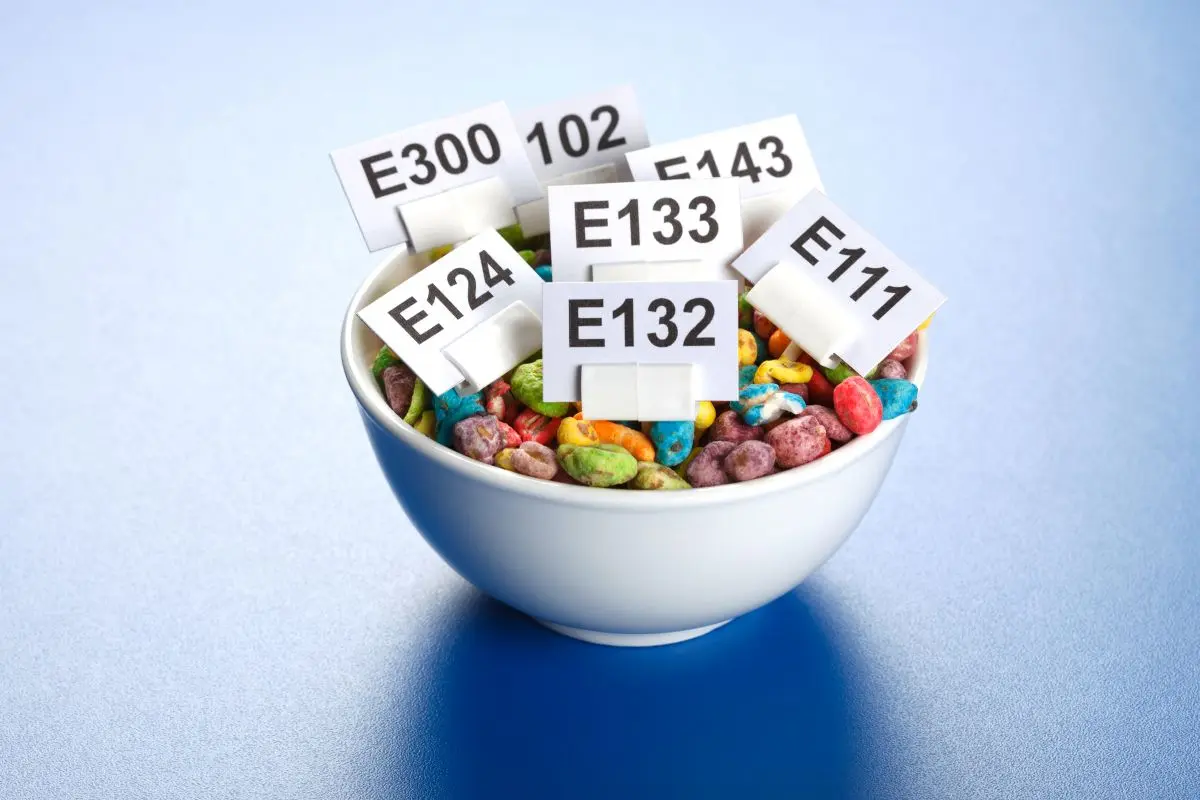
The announcement, made on August 6, underscores a broader, structural transformation across the processed food industry. WK Kellogg is not merely altering its supply chain; it is investing heavily in cutting-edge manufacturing equipment designed to handle a wholesale transition to natural, plant-derived colorants. Iconic household brands like Froot Loops and Apple Jacks will no longer rely on petroleum-based synthetic dyes. Instead, advanced food science has enabled the company to source vibrant hues from fruit- and vegetable-based juices, ensuring that the visual appeal and sensory experience of these legacy products remain intact without compromising consumer health.
At the same time, WK Kellogg is systematically purging its remaining product lines of Butylated Hydroxytoluene (BHT), a synthetic preservative long scrutinized by public health advocates. This double-barreled clean-label strategy arrives at a critical juncture. The American food manufacturing sector is facing an unprecedented convergence of tightening federal guidelines, aggressive state-level legislative bans, shifting retail gatekeeper policies, and an unmistakable evolution in consumer preferences.
By pulling its deadline forward by a full year, WK Kellogg aims to stay ahead of a rapidly closing window for artificial ingredients in the United States—a market where the writing has long been on the wall, mirroring regulatory landscapes in Canada and the European Union.
Detailed Chronology: The Road to Clean-Label Breakfasts
The elimination of synthetic additives from WK Kellogg’s portfolio is the culmination of years of mounting external pressures, corporate acquisitions, and shifting regulatory frameworks. Tracing this timeline reveals how rapidly the U.S. food industry has pivoted toward clean-label production.
The International Precedent and Early Warnings
For over a decade, major food multinationals operating globally faced a fractured regulatory environment. While countries in the European Union—and neighboring Canada—banned or heavily restricted various artificial food dyes due to links with hyperactivity and behavioral issues in children, American consumers continued to consume the exact same formulations. WK Kellogg and its peers maintained dual manufacturing standards, citing a lack of domestic regulatory mandates. However, consumer advocacy groups persistently highlighted these discrepancies, laying the groundwork for domestic backlash.
The Ferrero Acquisition (July 2025)
A monumental shift occurred in July 2025 when the Italian food giant Ferrero finalized its acquisition of WK Kellogg. Known globally for its stringent quality controls and European market heritage—where artificial chemical additives face stringent scrutiny—Ferrero wasted little time in steering its newly acquired American asset toward higher clean-label standards. The acquisition served as a catalyst, infusing capital and strategic alignment into WK Kellogg’s ingredient-reformulation initiatives.
The August 2025 Initial Pledge
Building on the momentum of the Ferrero buyout, WK Kellogg officially announced in August 2025 that it would phase out artificial colors across all its cereals, establishing a target completion date of late 2027. While celebrated by health advocates, industry analysts noted that a two-year runway was relatively conservative, leaving ample time for competitors to catch up or for regulatory landscapes to shift beneath them.
The Regulatory Thaw and State-Level Pressures (April 2025 – February 2026)
The regulatory environment experienced a seismic shock in April 2025 when the U.S. Food and Drug Administration (FDA) committed to establishing a national standard and timeline for transitioning away from petrochemical-based dyes. This federal momentum was accelerated by frantic legislative activity at the state level.
By early 2026, the Environmental Working Group (EWG) reported that over 25 U.S. states were actively considering or advancing legislation to ban synthetic food dyes and chemical additives linked to health harms such as ADHD and childhood hyperactivity. Facing a chaotic, state-by-state patchwork of compliance laws, food manufacturers desperately sought federal clarity.
That clarity arrived in February 2026, when the FDA issued a landmark policy update allowing food companies to use voluntary labeling claims denoting the absence of FD&C Act certified colors. This regulatory green light removed legal ambiguity and emboldened companies to accelerate their clean-label transitions.
The Retail Ultimatum (March – August 2026)
Retail giants also exercised their immense market leverage to force the issue. In March 2026, retail behemoth Target issued a sweeping ultimatum: it would stop selling any breakfast cereals containing artificial colors by the end of May 2026. Walmart quickly followed suit, announcing plans to purge artificial colors from all of its store-brand items by January 2027.
Caught between aggressive state bills, retailer ultimatums, and a supportive FDA framework, WK Kellogg realized that a 2027 completion date for its own transition was no longer aggressive enough. Thus, on August 6, 2026, the company pulled its deadline forward to the end of 2026, signaling that the era of synthetic cereal dyes in America is in its final chapter.
Supporting Context & Metrics: Forces Driving the Great Clean-Label Migration
The wholesale abandonment of artificial food dyes is not merely a public relations exercise; it is driven by hard data, shifting consumer demographics, and powerful institutional mandates.
The Legislative Map: A Patchwork Threat
The primary driver behind accelerated corporate timelines is the proliferation of state-level bans. According to data tracked by the Environmental Working Group (EWG), more than 25 states introduced or advanced legislation targeting synthetic food chemicals heading into 2026.
For national brands like WK Kellogg, complying with a patchwork of conflicting state laws—where a cereal legal in Ohio might be banned in California or New York—presents a logistical nightmare. Transitioning the entire national supply chain to natural alternatives is far more cost-effective and operationally sound than managing fragmented, state-specific product formulations.
Retailer Muscle and Market Share Protection
Retail gatekeepers have fundamentally altered the balance of power in the grocery sector. When Target banned artificial-color cereals from its shelves in May 2026, it proved that retailers are willing to delist major brands that fail to meet modern health standards. Walmart’s concurrent mandate targeting store brands by January 2027 amplified this pressure. Food manufacturers recognize that losing shelf space at top-tier national retailers represents an existential threat to market share, leaving them no choice but to reformulate their legacy products.
Competitive Pressures Across the Aisle
WK Kellogg is not acting in a vacuum. Its chief rivals are racing down the exact same path. In June 2025, Kraft Heinz announced a comprehensive initiative to strip all chemical dyes from its extensive product portfolio by the end of 2027. The race to capture the booming clean-label consumer base has turned ingredient transparency into a primary competitive differentiator.
Consumer Demands and Nutritional Literacy
Modern shoppers—particularly Millennials and Generation Z parents—exhibit unprecedented nutritional literacy. Armed with smartphones capable of scanning ingredient lists instantly, consumers actively reject complex chemical names they cannot pronounce. Petrochemical dyes derived from petroleum have become symbolic of hyper-processed, unhealthy foods. By replacing these additives with recognizable fruit and vegetable juices, cereal manufacturers are attempting to recapture the trust of health-conscious households.
Official Statements and Industry Perspectives
The structural overhaul of American breakfast cereals has generated significant commentary from corporate leadership, public health advocates, and regulatory officials.
Doug VanDeVelde, Chief Growth Officer at WK Kellogg, emphasized the consumer-driven nature of the decision in an official corporate statement:
"More and more consumers are looking for foods made with simple, recognizable ingredients, and we are proud to meet those expectations even sooner than planned."
VanDeVelde’s remarks highlight the company’s strategic alignment with modern consumer values. Behind the scenes, food scientists at WK Kellogg have spent millions of dollars upgrading processing facilities. Transitioning from synthetic dyes—which are chemically stable, highly uniform, and inexpensive—to natural plant extracts requires entirely new engineering protocols. Natural colorants derived from sources like turmeric, beet juice, red cabbage, and beta-carotene react differently to heat, light, and moisture during the extrusion and baking processes used in cereal manufacturing. Investing in specialized equipment was a mandatory prerequisite for pulling the deadline forward to 2026.
Public health organizations have cautiously praised the developments while noting that the industry is simply catching up to common-sense standards long enforced elsewhere in the developed world. Representatives from the Environmental Working Group noted that while corporate voluntary actions and the FDA’s February 2026 labeling guidance are steps in the right direction, binding federal bans remain the ultimate goal to ensure universal protection for children consuming processed foods.
Meanwhile, retail executives have defended their hardline stances on artificial additives, asserting that modern grocery shoppers demand curated selections free of ingredients linked to behavioral and metabolic health concerns. As retail buyers continue to prune their inventory of synthetic-heavy products, food manufacturers understand that compliance is no longer optional—it is the price of admission to the modern supermarket shelf.
Future Outlook: What Lies Ahead for the Cereal Aisle
As WK Kellogg races toward its newly minted December 2026 deadline, the ripple effects across the food and beverage industry will continue to reverberate. The successful reformulation of iconic products like Froot Loops and Apple Jacks proves that visual vibrancy does not require synthetic chemistry. However, navigating this transition successfully will require solving persistent supply chain and formulation challenges.
Supply Chain and Agricultural Scalability
Sourcing millions of pounds of natural colorants from fruits and vegetables places unique demands on agricultural supply chains. Unlike synthetic dyes synthesized in chemical laboratories from petroleum byproducts, natural extracts rely on agricultural harvests subject to weather patterns, crop yields, and seasonal fluctuations. Ensuring a stable, cost-effective, and sustainably sourced supply of natural pigments will be one of the greatest operational hurdles for food conglomerates in the coming years.
The Consumer Reception Test
While clean-label advocates applaud the shift, food manufacturers face the delicate task of maintaining brand loyalty. Subtle shifts in color vibrancy, taste profiles, or shelf-life stability can alienate consumers accustomed to decades of uniform product consistency. Ensuring that children and parents notice no drop in the sensory appeal of reformulated cereals will determine the long-term commercial success of these natural transitions.
The Next Frontier: Beyond Dyes
With artificial colors and BHT on the way out, industry analysts are already looking toward the next phase of clean-label reformulations. Artificial sweeteners, synthetic emulsifiers, and chemical preservatives remaining in ultra-processed foods will inevitably face the same regulatory and consumer scrutiny that finally brought down synthetic food dyes.
WK Kellogg’s accelerated timeline sets a powerful precedent. By proving that legacy brands can successfully pivot to simple, recognizable ingredients ahead of schedule, the company has established a new benchmark for the American food industry—signaling that the future of breakfast is undeniably natural.