
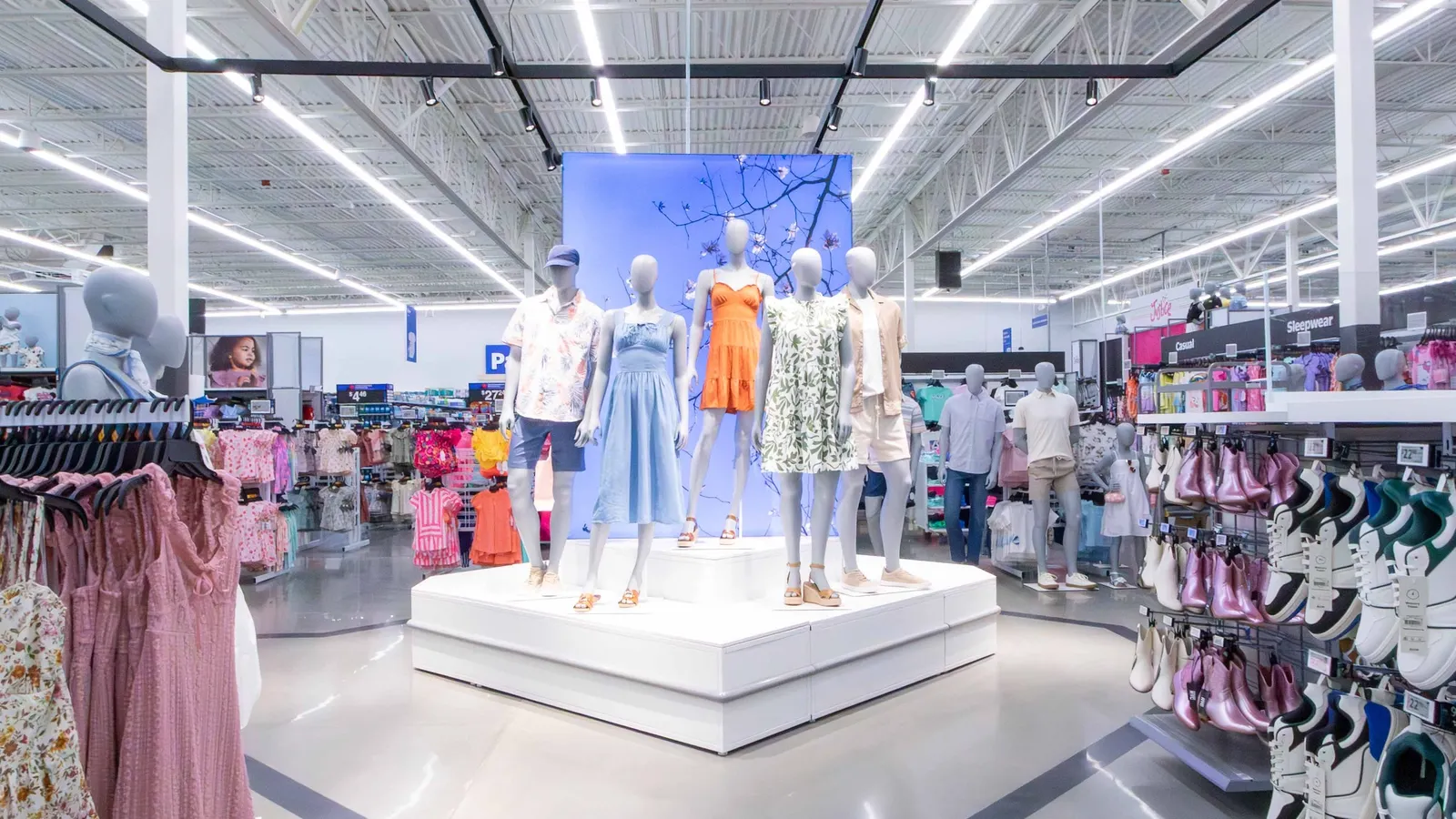
On August 25, 2026, the retail juggernaut announced the official nationwide rollout of Scenario, a brand-new private-label fashion line characterized by a modern bohemian aesthetic. The launch represents a watershed moment for Walmart Fashion. Spanning all domestic storefronts and touching five distinct product departments simultaneously, Scenario constitutes one of the broadest category footprints ever undertaken by the company’s apparel division in a single go-to-market strategy.
This bold move is far from a casual seasonal experiment. It is a calculated, data-driven offensive designed to capture a lucrative demographic of style-conscious shoppers who historically looked past Walmart’s clothing aisles. Backed by surging quarterly earnings, triple-digit comparable-store sales gains in key lifestyle brands, and a multi-year strategy to overhaul its proprietary clothing portfolio, Walmart is proving that it can successfully compete not just on price, but on runway-inspired trends.
Executive Overview
For decades, big-box apparel was often viewed by consumers as a functional necessity rather than a destination for self-expression. Clothes bought at hypermarkets were expected to be cheap, durable, and basic. However, shifting consumer habits, post-pandemic wardrobe refreshes, and the rising dominance of digital-first clothing brands have fundamentally altered the landscape.
Walmart recognized that to capture a larger share of consumer wallet spend—particularly among younger, trend-focused demographics—it needed to fundamentally reimagine its private-label ecosystem.
- The Launch: Scenario debuts in 100% of U.S. Walmart stores and online, bridging five major apparel departments.
- The Aesthetic: Modern bohemian, emphasizing feminine details, versatile layering pieces, and mix-and-match versatility.
- The Catalysts: Strong market data indicating a massive, underserved demand for boho styles, coupled with unprecedented success from existing lifestyle brands like Scoop, Free Assembly, and Time and Tru.
- The Financial Backdrop: Walmart’s Q2 fiscal 2027 performance showcased robust health, with total revenue climbing nearly 6% year-over-year to $188 billion, bolstered by a remarkable 24% surge in e-commerce sales.
By introducing Scenario, Walmart is signaling that its ambitions in the apparel sector extend far beyond the basics. The company is actively courting lifestyle-driven shoppers, leveraging advanced customer research, and utilizing its unmatched supply chain muscle to democratize high-end trends.
Detailed Chronology: From Consumer Data to National Rollout
The genesis of Scenario did not happen overnight. It is the culmination of years of meticulous brand rebuilding, strategic creative partnerships, and data-backed product incubation.
Phase 1: The Rebirth of Scoop (2019)
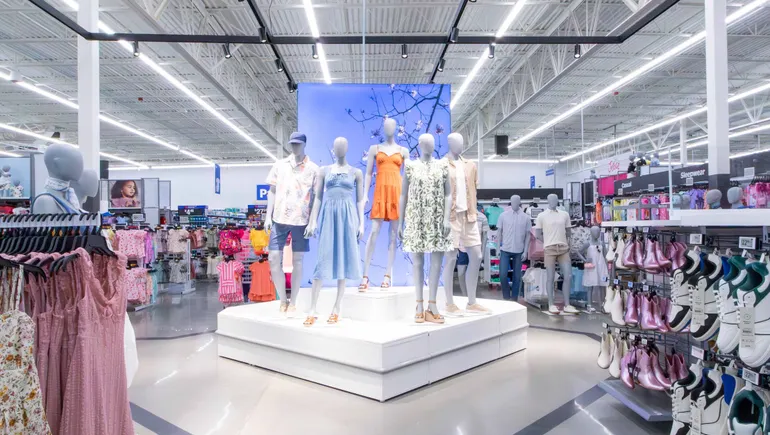
The groundwork for Walmart’s modern fashion renaissance was laid in 2019, when the retailer made the bold move to reimagine Scoop, a once-defunct department store brand, as a trend-forward exclusive private label. By introducing runway-inspired pieces at mass-market price points, Walmart signaled to the industry that it was ready to shed its purely utilitarian reputation.
Phase 2: Bringing in High-Fashion Credibility (2021)
In 2021, Walmart doubled down on its fashion ambitions by appointing acclaimed fashion designer Brandon Maxwell as creative director for both Scoop and Free Assembly, another newly minted private label. Maxwell’s involvement brought immense industry credibility, elevating fabric choices, silhouette structures, and overall brand storytelling. Shoppers responded enthusiastically, proving that a major discount retailer could successfully sell curated, designer-influenced collections.
Phase 3: The Time and Tru Incubation Period
Even with the success of Scoop and Free Assembly, Walmart’s consumer research teams identified a glaring gap in the company’s portfolio. Detailed data analysis revealed that nearly one in five women identified bohemian ("boho") as one of their top personal style preferences. Yet, none of Walmart’s existing private labels authentically captured or served that specific aesthetic.
Rather than launching a brand blind, Walmart utilized its multi-billion-dollar workhorse brand, Time and Tru—which alone drives an astounding $2 billion in annual sales—as a testing ground. The company introduced boho-inspired garments, layering elements, and earthy, feminine silhouettes into the Time and Tru assortment to gauge customer reception.
The market response was immediate and overwhelmingly positive. Sell-through rates exceeded internal expectations, and customer feedback confirmed a robust, unsatisfied appetite for dedicated bohemian fashion. This controlled incubation directly catalyzed the creation of Scenario as a standalone brand.
Phase 4: The Nationwide Launch (August 25, 2026)
With the concept thoroughly validated, Walmart greenlit Scenario for an immediate, all-stores rollout. Spanning five distinct categories, the brand hits physical racks and digital platforms simultaneously, engineered to give shoppers a cohesive, highly curated wardrobe experience that transitions effortlessly across seasons.
Supporting Context & Metrics: Why Fashion Matters to Walmart’s Bottom Line
To understand why Walmart is investing heavily in boho chic, one must examine the broader economic and retail metrics driving the company’s performance.
The Basket-Building Power of Fashion
Apparel has historically served as a high-margin category for mass retailers, but its true power lies in its ability to elevate average order values (AOV). According to internal Walmart data, consumers who shop the retailer’s elevated private labels (Scoop, Free Assembly, and now Scenario) are spending nearly twice per order compared to the average Walmart fashion customer.
These items act as halo products, pulling shoppers away from purely functional grocery runs and into lifestyle browsing—ultimately boosting multi-category basket sizes both in-store and online.

Explosive Growth in Executive Remarks
During Walmart’s recent Q2 fiscal 2027 earnings call with analysts, executive leadership underscored the unprecedented momentum building within the apparel division.
David Guggina, President and CEO of Walmart U.S., highlighted the division’s exceptional performance during discussions with Wall Street analysts:
"We’re seeing strength in fashion," Guggina noted. "In fashion, I’m really excited about some of our private brands—Scoop, Free Assembly. We’re seeing triple-digit comps in those areas."
Achieving triple-digit comparable sales growth in specific lifestyle segments is a monumental feat for a retailer of Walmart’s scale, demonstrating that consumers are actively seeking out the company’s proprietary apparel offerings over legacy wholesale brands.
Macroeconomic Tailwinds
This fashion triumph coincides with a period of broader financial strength for the Bentonville-based giant. In the second quarter, Walmart Inc. reported:
- Total Revenue: Grew nearly 6% year-over-year to reach $188 billion.
- Transaction Growth: U.S. transactions and average ticket sizes both grew by approximately 1% compared to the prior-year period.
- E-Commerce Dominance: Digital channels surged forward, with U.S. e-commerce sales jumping an impressive 24%, proving that Walmart’s omnichannel fulfillment strategy is effectively capturing online apparel shoppers.
Official Statements and Industry Perspective
Walmart’s strategy represents a masterclass in listening to the consumer base and executing a targeted brand architecture. While traditional department stores struggle with declining foot traffic and identity crises, Walmart is carving out a distinct space by offering trend-led fashion at unbeatable price points.
Industry analysts point out that the launch of Scenario fills a critical void left by mid-tier mall brands that have downsized or closed their doors over the past decade. As shoppers navigate economic pressures while still desiring self-expression and personal style, mass-market retailers equipped with agile supply chains are uniquely positioned to capture market share.
In an official statement regarding the brand’s conception, Walmart highlighted the rigorous consumer insights that birthed Scenario:

"Customer research showed nearly one in five women identified boho as one of their top style preferences, while none of our existing private brands were perceived as serving that aesthetic."
By designing Scenario around feminine details, fluid silhouettes, and mix-and-match versatility, Walmart has ensured that the line is not only stylish but practical for the everyday consumer. The pieces are engineered to transition seamlessly from casual daytime wear to elevated evening looks, aligning perfectly with modern lifestyle demands.
Future Outlook: Can Walmart Dominate the Mass-Market Style Space?
As Scenario hits shelves nationwide, the retail community will be watching closely to see how competitors respond. Walmart has successfully dismantled the outdated stigma surrounding big-box apparel, proving that low prices do not have to come at the expense of trend awareness, quality, or aesthetic integrity.
Looking ahead, several key factors will dictate the long-term success of Walmart’s fashion division:
- Inventory Agility and Trend Responsiveness: The modern fashion consumer moves fast, driven by social media trends and micro-seasons. Walmart’s ability to leverage its massive supply chain to rapidly replenish and iterate on successful Scenario designs will be critical.
- Omnichannel Integration: With e-commerce growing at 24%, the digital presentation of Scenario—through high-end styling, video content, and seamless app integration—will play a vital role in capturing younger demographics who discover fashion via digital feeds.
- Brand Portfolio Synergy: As Scenario joins Time and Tru, Scoop, and Free Assembly, Walmart must ensure clear brand differentiation so that each label speaks directly to its intended consumer sub-segment without cannibalizing sales.
Conclusion
Walmart’s launch of Scenario is much more than a routine seasonal product drop. It is a strategic statement of intent from the world’s largest retailer. By combining meticulous consumer research, trusted design partnerships, and unmatched logistical scale, Walmart is transforming its apparel aisles into a premier destination for modern style.
If the triple-digit growth of its existing fashion lines is any indication, the modern bohemian aesthetic of Scenario is poised to become a staple in millions of closets nationwide—cementing Walmart’s status not just as a place to save money, but as a place to look great doing it.