
According to recent data from confectionery giant Mars and its comprehensive 2026 “Mars Tricks, Treats and Trends” Report, Halloween is no longer confined to the crisp, fading days of October. Instead, it has morphed into a year-round cultural movement and America’s longest retail shopping season. Fuelled primarily by Gen Z and Millennial consumers who discover trends via TikTok and Instagram before executing purchases in brick-and-mortar giants, Halloween now commands a staggering $13 billion slice of the U.S. economy. Nearly a third of that spending is dedicated entirely to candy.
This deep-dive investigation explores the meteoric rise of Summerween, the shifting psychology of the modern consumer, the intricate dance between digital discovery and physical retail, and how confectioners and retailers alike are planning years in advance to capitalize on America’s insatiable appetite for the macabre.
Executive Overview: The Evolution of the "Fifth Season"
For generations, the American retail calendar followed a rigid, predictable cadence. Summer stood as its own distinct chapter, followed sequentially by the core quartet of major celebratory periods: the autumn Halloween window, the winter holiday rush, Valentine’s Day, and finally, Easter. However, consumer behavior has radically evolved. Mars has long monitored summer as an emerging "fifth season," but the velocity at which consumers are embracing spooky themes during peak sunlight hours has stunned even seasoned market analysts.
The driver of this acceleration is clear: younger demographics, particularly Generation Z, refuse to let their favorite holiday be restrained by seasonal gatekeeping. Engagement with Summerween has surged by an impressive 63% year-over-year among Gen Z consumers, whose overall participation rates now tower at more than double those of the general population.
This is not merely a fringe internet aesthetic. It is a full-scale lifestyle integration. Gen Z consumers are actively baking Halloween treats (74%), hosting elaborate themed parties during the warmest weeks of the year (69%), and decorating their residential spaces with ghoulish decor while wearing swimsuits (65%). As a result, confectioners are rolling out autumnal and spooky treats months ahead of historical schedules, rewriting the playbook on seasonal marketing and supply chain logistics.
Detailed Chronology: From Internet Subculture to Retail Powerhouse
To understand how a joke about a haunted summer party became a multi-million-dollar retail extension, one must trace the timeline of modern cultural consumption.
Phase I: The Digital Genesis
Years before brands began manufacturing spooky summer sweets, the concept of celebrating Halloween in reverse—often dubbed "Halfway to Halloween" or "Summerween"—bubbled up organically within niche online forums and fan communities. Animated television shows, notably Gravity Falls in 2014, helped cement the fictional concept in the pop-cultural lexicon, depicting a town that celebrates Halloween twice a year to cure the monotony of summer.
Phase II: The Social Media Acceleration
By the early 2020s, short-form video platforms transformed Summerween from a quirky animation trope into a viral reality. Creators on TikTok and Instagram began documenting their own backyard Summerween parties, complete with pumpkin carving using watermelons, horror-movie marathons by the pool, and spooky costume contests in July.
Mars’ internal metrics note that 53% of Gen Z and 39% of Millennials now discover new candy and holiday trends exclusively through platforms like TikTok and YouTube. This digital-first discovery engine effectively shortened the gestation period for retail trends, turning user-generated content into immediate consumer demand.
Phase III: The Retail Realignment
Recognizing the shift, forward-thinking brands and retailers stopped waiting for September leaves to fall. Recognizing that 66% of U.S. adults—and a staggering 76% of Gen Z—would willingly purchase Halloween candy year-round if available, retailers began testing extended merchandising windows. Today, Summerween serves as the official opening salvo for an elongated shopping season that bridges the gap between mid-summer cookouts and the traditional October 31st crescendo.
Supporting Context & Metrics: Decoding the Modern Shopper
The transformation of Halloween into a year-round phenomenon is backed by hard economic data and shifting consumer psychology. The National Retail Federation (NRF) values the U.S. Halloween market at a monumental $13.1 billion, with confectionery purchases making up nearly 35% of that total.
The Digital Discovery vs. In-Store Reality Paradox
A critical challenge for modern FMCG (Fast-Moving Consumer Goods) brands lies in the friction between where inspiration happens and where transactions occur. While younger generations rely heavily on social media feeds for trend spotting, their buying habits remain anchored in traditional physical retail environments:
- Online Discovery: 53% of Gen Z and 39% of Millennials find out about new candy trends via TikTok.
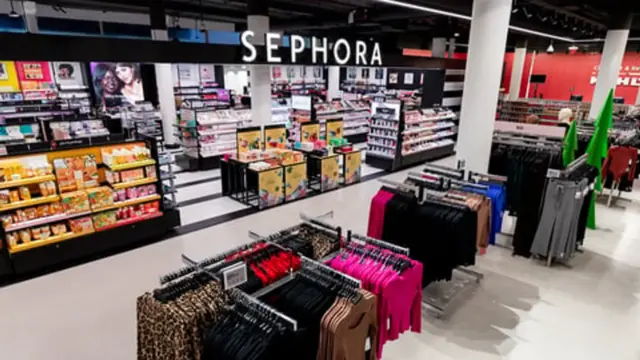
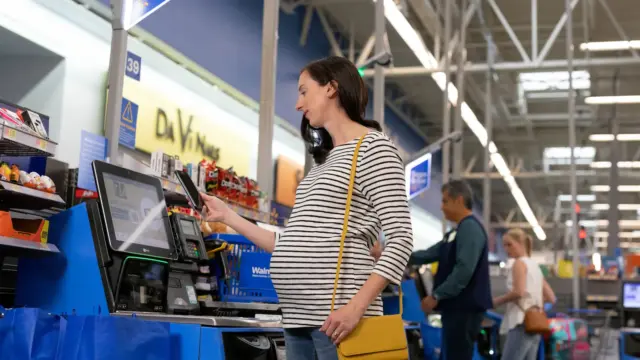
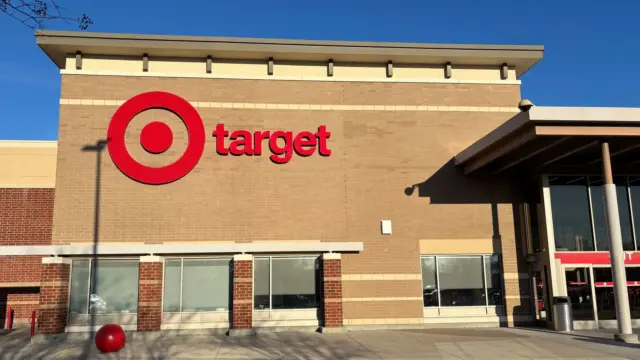
- Large-Format Retail: 50% of Millennials and 43% of Gen Z purchase their holiday treats at big-box retailers and large-format stores.
- Supermarkets & Grocery: 48% of Millennials and 41% of Gen Z complete their seasonal candy purchases through traditional grocery outlets.
This dynamic demands a dual-pronged strategy. Brands must master the art of digital inspiration—capturing attention via algorithmic feeds—while ensuring flawless, high-impact execution on physical store shelves where baskets are ultimately filled.
The Psychology of the Candy Bowl
For the modern host, the candy bowl is no longer a passive receptacle for handing out sweets to neighborhood children; it is a profound statement of personal identity. Over 70% of surveyed adults explicitly state that their candy selection reflects their personal brand as a host. In an era of hyper-curated social media aesthetics, consumers are striving for coveted "best house on the block" status.
This desire for elevated treating experiences has directly influenced product development. According to Mars research:
- 71% of adults actively seek out texture in their treats (craving a mix of crunch, chew, and airiness).
- Nearly 60% are hunting for "extreme" or bold flavor profiles.
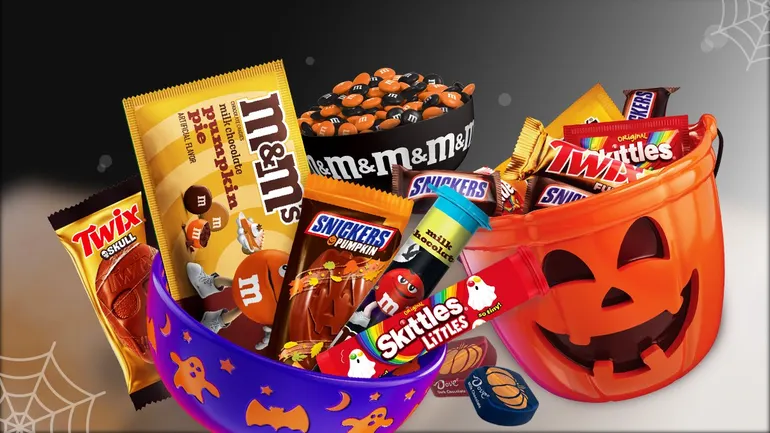
In response, confectionery giants are innovating at a rapid pace. Mars has introduced offerings such as SKITTLES® POP’D Creepy Crunch—delivering a crisp, airy textural experience—alongside seasonal staples like M&M’S® Milk Chocolate Pumpkin Pie. While chocolate remains the undisputed national favorite (with M&M’S® ranking as the #1 Halloween candy brand in recent surveys), regional preferences are diversifying. Gummies are surging in popularity across the American South, whereas Western states lean heavily into novelty, spooky-shaped treats like TWIX® Skulls.
Official Statements & Industry Insights
Industry leaders are taking note of this cultural paradigm shift, aligning their long-term corporate strategies with the reality of an extended holiday season.
"We live and breathe Halloween 365 days a year, but our strategic planning cycles start a full two years out," notes a spokesperson from Mars’ seasonal strategy division. "By anticipating cultural shifts like Summerween and online product discovery, we are equipped to drive treating at optimal moments. The extended Halloween season isn’t just something we hear about from loyal fans; it is proven by our own data."
Market researchers emphasize that treating moments are no longer bound by weather patterns or historical calendars. As consumers increasingly blur the lines between seasons, brands that cling to traditional four-week holiday marketing windows risk losing relevance to agile competitors who meet consumers wherever their imaginations take them—whether that is under a December Christmas tree or beside a July swimming pool.
Future Outlook: The Road Ahead for America’s Spookiest Season
As we look toward the remainder of the decade, the trajectory of Summerween and the extended Halloween retail window points toward permanent integration into the consumer consciousness. The days of retailers abruptly flipping their inventories from patio furniture to plastic skeletons overnight on October 1st are officially a relic of the past.
The roadmap for future growth relies on three core pillars:
- Hyper-Extended Planning Cycles: With major manufacturers planning product innovations, supply chain adjustments, and marketing campaigns up to 24 months in advance, seasonal retail is becoming a continuous, rolling wave rather than a series of isolated events.
- Immersive Omnichannel Marketing: Bridging the gap between TikTok-driven trend discovery and physical grocery aisles will remain the defining hurdle—and opportunity—for brands aiming to capture the hearts and wallets of Gen Z and Millennial shoppers.
- Sensory Innovation: As consumers demand more from their treating moments, the successful brands will be those that push the boundaries of texture, flavor profiles, and interactive packaging, transforming every candy bowl into a conversation piece.
Ultimately, Summerween is more than a quirky seasonal gimmick or an excuse to eat pumpkin-flavored treats in ninety-degree weather. It is a symptom of a broader cultural craving for playfulness, community, and continuous celebration. As long as consumers continue to seek out moments of spooky joy year-round, America’s longest retail holiday will continue to expand, proving that for millions of festive fans, Halloween can never come too early—or stay too long.