
Executive Overview
Against this backdrop, the TechCrunch Founder Summit 2026 is positioned as a vital utility for the modern builder. Scheduled to take place on November 4, 2026, in Boston, Massachusetts, this flagship, founder-centric conference will assemble more than 1,000 highly vetted founders, operators, and institutional investors. Unlike broad-spectrum tech festivals, the summit is curated to deliver hyper-focused, tactical blueprints for early- to growth-stage startups.
With the Early Bird registration deadline fast approaching on June 26, 2026, at 11:59 p.m. PT, the tech community is preparing for a summit designed around collaborative problem-solving. This analysis explores the structural evolution of the event, the macroeconomic dynamics of its host city, the quantitative value of structured founder networks, and what this summit signals for the venture capital landscape heading into 2027.
Detailed Chronology: The Evolution of TechCrunch’s Specialized Event Architecture
The path to the TechCrunch Founder Summit 2026 reflects a broader, deliberate shift in how the tech media and events industry services the startup community. Historically, massive technology conventions focused on broad public relations, product launches, and high-level keynotes. However, as the venture environment grew more sophisticated, founders began demanding intimate, highly actionable environments over generalized networking.
[Late 2025: Post-Event Analysis of "All Stage 2025"]
       │
       ▼
[Q1 2026: Launch of Call for Content & Roundtable Design]
       │
       ▼
[June 26, 2026: Early Bird Ticket Deadline & Tier-1 Pricing Cutoff]
       │
       ▼
[July-August 2026: Public Voting & Democratic Agenda Selection]
       │
       ▼
[September-October 2026: Finalization of Speaker Lineup & Cohort Curation]
       │
       ▼
[November 4, 2026: TechCrunch Founder Summit 2026 in Boston]
The Transition from Broad Disruptive Media to Targeted Summits
In the late 2010s and early 2020s, TechCrunch recognized a growing divergence in its audience needs. While early-stage builders required granular insights into cap table management, unit economics, and initial regulatory compliance, growth-stage operators were focused on secondary markets, late-stage liquidity, and global organizational design.
This realization birthed specialized tracks, culminating in events like the TechCrunch All Stage series in 2025. The success of these roundtables and breakout-heavy formats laid the groundwork for the 2026 Founder Summit—a highly optimized, single-day intensive program designed exclusively for active founders and active allocators.

The 2026 Milestone Timeline
To understand the operational velocity of the upcoming summit, it is helpful to look at the milestone schedule leading up to the November assembly:
- Late 2025 (Post-Event Analysis): Following the close of the 2025 All Stage sessions, TechCrunch’s editorial and events teams analyzed attendee feedback. The data indicated an overwhelming preference for small-group roundtables over passive, main-stage panel listening.
- First Quarter of 2026 (Programmatic Structuring): TechCrunch formally announced Boston as the host city for the 2026 summit, signaling a desire to tap into the East Coast’s deep tech, life sciences, and enterprise software density. The "Call for Content" portal was initiated, allowing operators to submit hyper-specific, real-world case studies for potential session integration.
- June 26, 2026 (The Early Bird Cutoff): This date represents the primary financial milestone for prospective attendees. Registering before 11:59 p.m. PT on June 26 allows founders to secure passes at a discount of up to $190, with additional group incentives (up to 30% off for teams of four or more) designed to encourage co-founder alignment.
- Summer 2026 (Democratic Curation): Following the closing of the early registration tiers, the submitted session topics enter a public voting phase, allowing the TechCrunch audience to directly influence the final agenda.
- November 4, 2026 (The Summit Convening): The culmination of the year’s planning, bringing 1,000+ stakeholders together in Boston for a day of active learning, private roundtables, and high-intent investor matchmaking.
Supporting Context & Metrics: Boston’s Strategic Role and the Economics of Peer Networks
Why Boston? The Macroeconomic Case for the East Coast Hub
The selection of Boston as the site for the 2026 Founder Summit is highly strategic. While Silicon Valley remains the largest repository of venture capital by volume, the Boston-Cambridge corridor represents an unparalleled concentration of academic research, deep tech, artificial intelligence hardware, biotech, and enterprise SaaS.
According to regional venture capital reports from early 2026, Boston-based startups have shown remarkable resilience in maintaining solid post-money valuations compared to peers in highly speculative markets. This resilience is largely attributed to the region’s historical focus on hard sciences, defense tech, and B2B software architectures—sectors that prioritize robust IP and clear pathways to commercialization. By hosting the summit in Boston, TechCrunch positions the event at the intersection of academic innovation and institutional capital.
The Quantitative Value of Peer-to-Peer Operator Networks
A common challenge for founders is the isolation of the C-suite. Academic research on entrepreneurial ecosystems indicates that founders who participate in structured peer networks scale their companies faster and suffer fewer catastrophic operational failures.
| Metric / Dimension | Isolated Founders (No Structured Peer Network) | Networked Founders (Active in Structured Cohorts) |
|---|---|---|
| Average Time to Series A | 24–36 Months | 14–20 Months |
| Key Executive Retention Rate | 58% (Over 2 Years) | 82% (Over 2 Years) |
| Pivot Efficiency (Time to Execute) | 6–9 Months | 2–4 Months |
| Primary Source of Operational Advice | Public forums / General literature | Vetted peer operators / Direct VC mentorship |
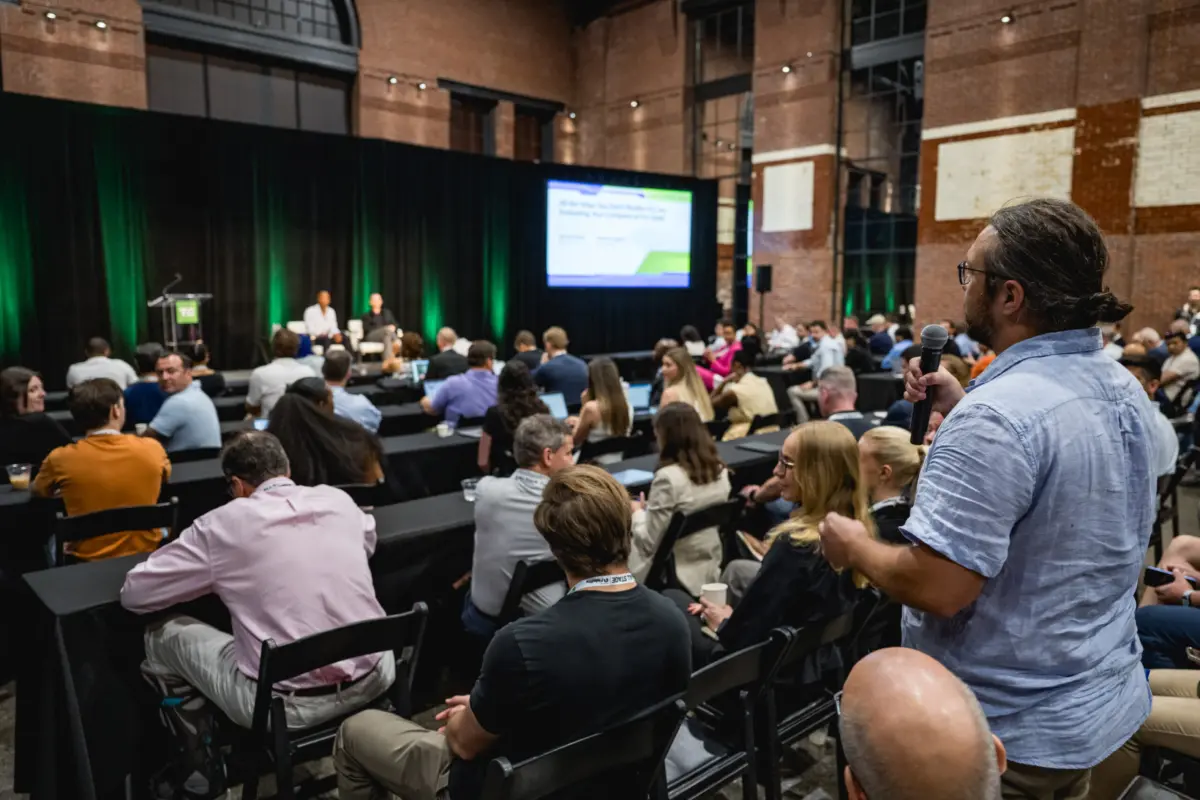
The structured roundtable format of the Founder Summit directly addresses these metrics. By facilitating candid, closed-door conversations where founders can share real numbers, regulatory hurdles, and talent acquisition struggles without the fear of negative public relations, the event functions as an accelerated advisory board.
Financial Dynamics of the Summit Pass Structure
For boot-strapped or early-seed startups, professional development and networking budgets are scrutinized heavily. The pricing structure of the TechCrunch Founder Summit 2026 is designed to optimize the return on investment (ROI) for small teams:

- Individual Early Bird Savings: Saving up to $190 per pass before the June 26 deadline allows early-stage companies to reallocate capital toward product development or cloud compute budgets.
- Group Registration Incentives: The 30% discount tier for groups of four or more is strategically structured. It encourages companies to bring their entire executive team—such as the CEO, CTO, and VP of Product—ensuring that the insights gained from parallel breakout sessions can be synthesized collectively and integrated into the company’s operating plan immediately.
Official Statements & Core Themes: What the Ecosystem Demands
The programmatic architecture of the 2026 summit is built upon lessons from previous iterations, which featured prominent industry figures like Jon McNeill (co-founder of DVx Ventures and former President of Tesla) alongside key allocators from top-tier venture firms.
While the official 2026 agenda is being curated through the audience-voting mechanism, statements from participating venture firms and previous speakers highlight the critical themes that will dominate this year’s discussions.
1. Capital Allocation in a High-Discipline Era
Representatives from participating firms—including Sequoia Capital, Greylock, and NFX—have consistently emphasized the return to operational fundamentals. A spokesperson from an East Coast-based early-stage fund noted:
"The era of the ‘growth-at-all-costs’ playbook is firmly behind us. Investors are no longer underwriting pure user acquisition metrics without clear sightlines to profitable unit economics. The founders who succeed in 2026 and 2027 are those who treat capital as a tool for leverage, not a substitute for product-market fit. Platforms like the TechCrunch Founder Summit are essential because they demystify the fundraising process during a period of intense investor selectivity."
2. Democratizing the Conference Agenda
One of the most unique elements of the TechCrunch Founder Summit is its "Call for Content" mechanism. Rather than relying solely on editorial curation or sponsored keynotes, TechCrunch allows the startup community to pitch and vote on the topics they actually want to discuss.
This democratic approach ensures that the breakout sessions address contemporary, on-the-ground challenges rather than generalized trends. Past iterations of this format have yielded highly technical, deeply honest sessions on topics such as:

- Managing down-rounds and flat-rounds without destroying team morale.
- Navigating complex cross-border compliance for remote-first engineering teams.
- The mechanics of structured debt and non-dilutive financing in early growth stages.
- Negotiating API access and data-sharing agreements with legacy enterprise partners.
Future Outlook: Navigating the 2026–2027 Venture Horizon
As the tech sector prepares for the final quarter of 2026 and looks ahead to 2027, the companies that emerge as market leaders will be those that prioritize operational resilience and strategic agility. The TechCrunch Founder Summit 2026 serves as both a barometer for these upcoming trends and a catalyst for the partnerships that will define them.
Emerging Themes for the November 4 Assembly
Several macro trends are expected to take center stage during the Boston roundtables:
- The Practical Application of Generative AI: Moving past foundational model training to focus on the deployment of domain-specific, highly secure enterprise agents that deliver clear, measurable ROI to enterprise customers.
- The Evolution of the Secondary Market: With IPO windows remaining highly selective, founders and early employees are looking to structured secondary transactions to manage liquidity expectations.
- Ecosystem Density and Localized Clusters: The summit’s presence in Boston highlights the growing importance of localized tech clusters that combine academic research institutions, corporate partners, and specialized local venture capital.
Conclusion and Call to Action
For founders, operators, and early-stage investors, the TechCrunch Founder Summit 2026 is more than a networking event—it is an operational workshop designed to build the strategic resilience required for the next phase of tech ecosystem growth.
With the Early Bird registration window closing on June 26, 2026, at 11:59 p.m. PT, the immediate priority for startup leadership teams is to secure their participation. By taking advantage of the individual savings of up to $190 or the 30% group discount, teams can ensure they are positioned to receive the actionable insights, peer connections, and investor relationships necessary to navigate the complexities of scaling in 2027 and beyond.
Disclaimer: When purchasing passes or services through links in TechCrunch articles, TechCrunch may earn an affiliate commission. This structure does not influence editorial independence, reporting accuracy, or the objective analysis of the event’s programmatic value.