
Executive Overview
Despite these strong industry headwinds—which have notably compressed profit margins and forced downward revisions in full-year financial guidance—Dick’s Sporting Goods continues to demonstrate remarkable top-line resilience. The sporting goods titan reported a robust comparable store sales increase of nearly 5% for the quarter. This growth was propelled by broad-based category gains, robust momentum heading into the 2026 FIFA World Cup, and increases in both average ticket sizes and transaction volumes.
However, the triumph of the broader enterprise masks mounting pressures within specific segments, particularly lifestyle sneakers. Furthermore, the company’s strategic integration of Foot Locker has ignited intense debate among market analysts. While Dick’s diversified retail mix and powerhouse status insulate it from the worst of the sector’s woes, Foot Locker’s legacy vulnerabilities—such as an over-dependence on struggling vendors, aging mall-based real estate, and unexpected exposure in European markets—have prompted some financial experts to question the long-term wisdom of the acquisition. As Dick’s maneuvers through margin compression, supply chain headwinds, and the heavy lifting of a multi-year turnaround, leadership remains steadfast in its long-term vision, even as external critics urge drastic damage control.
Detailed Chronology: Q2 Earnings, Margin Revisions, and the Footwear Reset
The narrative of Dick’s Sporting Goods’ latest financial disclosure is one of operational strength undercut by sector-wide discounting pressures. During Tuesday’s earnings call, executive leadership detailed a second-quarter financial period defined by strong consumer demand in performance categories, contrasted sharply by a severe promotional downturn in casual footwear.
The Footwear Reset Unfolds
For quarters, the athletic footwear market enjoyed an extended boom driven by iconic, retro lifestyle silhouettes. However, that wave has crested. According to Ed Stack, the market is currently caught in the crosshairs of a major lifestyle sneaker reset.
"We’re going through that with these legacy silhouettes, the new styles of shoes that are coming out from brands across the board—whether it be Nike, whether it be [Adidas], whether it be On, Hoka—we’re going through that reset right now," Stack told analysts.
While technical running shoes and performance-oriented athletic footwear continue to post healthy numbers, the casual lifestyle segment has stalled. Consumers are actively moving past legacy models, creating a glut of inventory across retail channels. To clear this surplus, brands and retailers alike have resorted to steep promotional discounting. Stack noted that this extreme promotional environment is not a short-term blip; rather, it is baked into the retail calendar and will persist through the remainder of the year.
Navigating the "Brown Shoe" Boom
To mitigate the drag from slumping lifestyle sneakers, Dick’s has aggressively leaned into the booming "brown shoe" and comfort-casual categories. Brands such as Ugg and Birkenstock have stepped into the spotlight, providing a lucrative cushion for retailers agile enough to pivot their inventory strategies.
"I do think there is a shift toward this brown shoe piece of this… whether it’s Ugg and Birkenstock, and we continue to participate in those," Stack explained. "Those businesses for us are really on fire. They’re up significantly. We’ve got a couple of other brands that we’re looking at to bring in also, and so they will help offset this, as the athletic business goes through this transition period."
This strategic flexibility allowed Dick’s to post a nearly 5% increase in comparable store sales, beating several pessimistic Wall Street projections despite missing some specific top-line expectations. The company highlighted strong execution across diverse sporting categories, bolstered by early excitement and consumer spending tied to the upcoming 2026 FIFA World Cup.
Supporting Context & Metrics: Financial Guidance Adjustments and Margin Pressures
The triumphs in core categories and comfort footwear, however, cannot completely insulate Dick’s from the financial toll of a hyper-promotional marketplace. Chief Financial Officer Navdeep Gupta detailed a series of downward revisions to the company’s full-year outlook during Tuesday’s financial review.
Margin Reductions and Operational Costs
For the full fiscal year, Dick’s now expects operating margins to range between 10.6% and 10.9%. This represents a notable cut from its previous guidance of 11% to 11.4%. Additionally, gross margins are projected to experience a slight year-over-year decline.
CFO Gupta attributed these conservative adjustments to a confluence of macroeconomic and industry-specific pressures:
- Intense Promotional Environment: The aggressive discounting required to move stagnant lifestyle sneaker inventory will continue to weigh heavily on gross margins, particularly through the third quarter.
- Fuel and Transportation Costs: Rising fuel prices are exerting upward pressure on freight and distribution networks.
- Supply Chain Expenses: Ongoing global logistics complexities and higher fulfillment costs are eroding operating efficiencies.
The Foot Locker Factor
Compounding these operational adjustments is the ongoing financial and structural integration of Foot Locker. While Dick’s diverse retail formats, multi-category breadth, and strong vendor relationships provide a formidable defensive moat, the Foot Locker acquisition has introduced unforeseen complications—most notably in European markets, where sales struggles caught Dick’s executives off guard.
Despite these bumps, leadership insists that the strategic rationale behind the acquisition remains sound. "None of this changes our confidence in the long-term opportunity at Foot Locker," Stack asserted during the conference call.
Official Statements and Industry Analysis
The divergence in perspective between Dick’s executive leadership and external equity analysts highlights the high-stakes gamble of retail consolidation during a cyclical downturn. While Stack and his team preach patience and long-term strategic alignment, Wall Street voices are sounding alarms over the hidden liabilities of the Foot Locker portfolio.
Leadership’s Perspective
Ed Stack remains philosophical about the timeline required to right the ship at Foot Locker, characterizing the initiative as being in its earliest stages. Leadership views the acquisition not as an immediate quick-fix, but as a multi-year transformational play designed to capture a broader demographic and cement Dick’s dominance across all tiers of athletic retail.
Executives emphasize that while near-term pain—including margin dilution and structural integration costs—is inevitable, the ultimate payoff will justify the capital expenditure. By leveraging Dick’s advanced supply chain, inventory management systems, and vendor partnerships, management believes Foot Locker can eventually shed its legacy vulnerabilities.
The Bearish Counter-Narrative
Independent market analysts, however, are far less forgiving. The Q2 performance metrics and subsequent commentary have led some experts to argue that Dick’s may have underestimated the depth of Foot Locker’s structural decay.
John Zolidis, president and founder of Quo Vadis Capital, pulled no punches in a scathing research note published Tuesday. Zolidis suggested that the acquisition was fundamentally unwise and that leadership may have entered the deal without a full grasp of the challenges involved.
"Sadly, the best path may be to admit the mistake now and write-off the entire chain," Zolidis wrote, warning that Dick’s risks diverting critical capital away from its core, high-performing businesses simply to rehabilitate Foot Locker and stem ongoing operating losses.
Furthermore, Zolidis outlined a litany of structural headwinds plaguing the acquired banner:
- Banner Overlap: The complexity of managing overlapping banners across multiple geographic and digital markets.
- Vendor Concentration: An over-dependence on a single struggling vendor, creating outsized exposure when that vendor experiences design fatigue or shifts direct-to-consumer strategies.
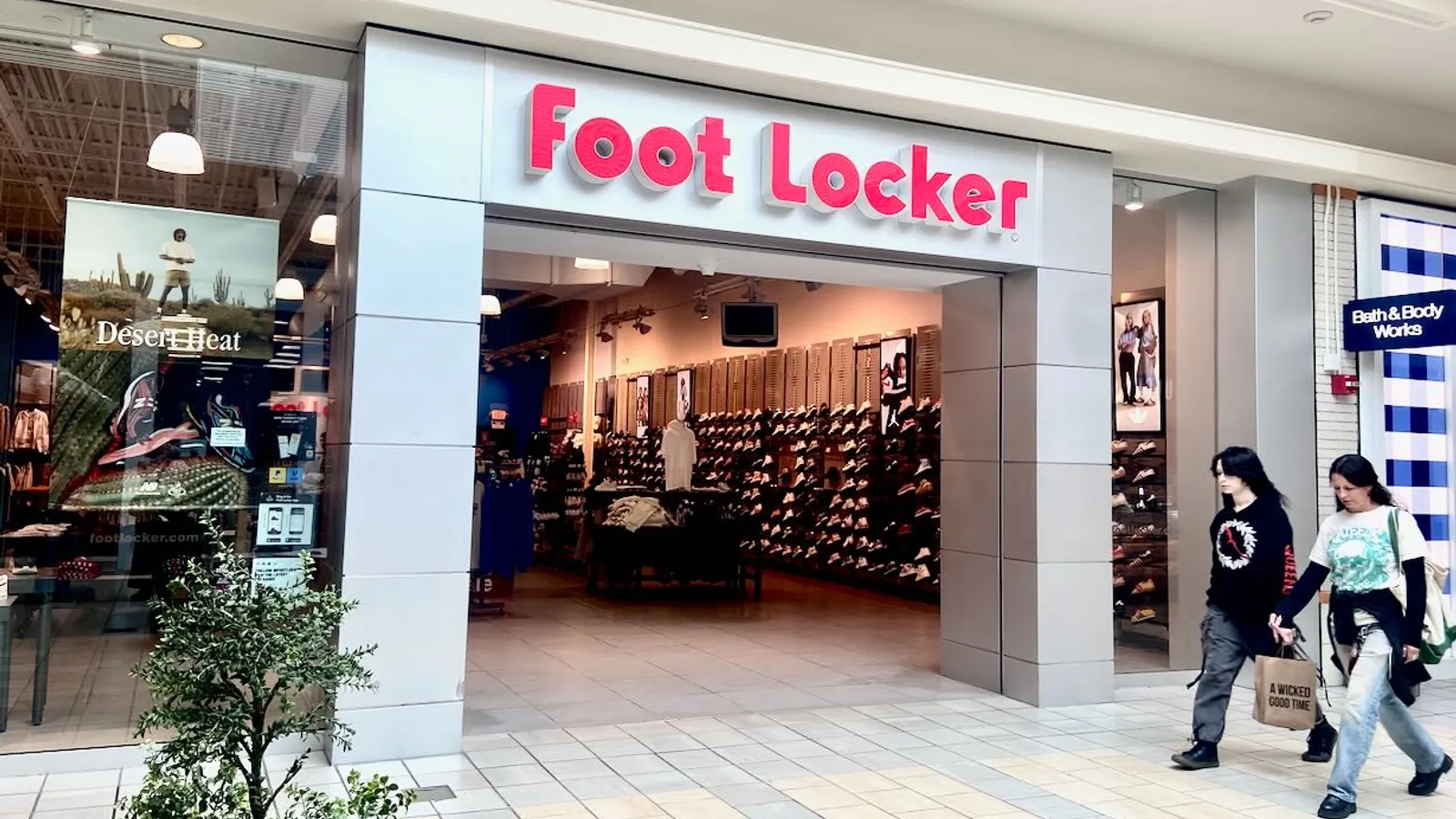
- Real Estate Liabilities: Heavily aged, mall-based retail footprints that run counter to modern consumer shopping preferences favoring off-mall, experiential, or digital-first commerce.
- Consumer Demographics: Deep exposure to a lower-income consumer cohort that has been disproportionately squeezed by persistent inflation and macroeconomic uncertainty.
Future Outlook: Navigating the Road Ahead
As Dick’s Sporting Goods looks toward the remainder of 2025 and into 2026, the company stands at a critical crossroads. The immediate horizon demands aggressive navigation of the lifestyle footwear promotional wars. With margin pressure expected to peak in the third quarter, management must carefully balance inventory markdowns with the preservation of brand equity.
Strategic Priorities for Dick’s Sporting Goods
- Inventory Discipline: Accelerating the clearance of stagnant lifestyle sneaker lines while scaling up high-demand comfort brands like Ugg and Birkenstock will be paramount to protecting gross margins.
- Capitalizing on Global Events: Harnessing the momentum of major upcoming sporting catalysts, such as the 2026 FIFA World Cup, will help drive top-line traffic and offset declines in casual footwear.
- Foot Locker Triage: Leadership must quickly execute a turnaround strategy that addresses Foot Locker’s mall-based real estate bloat and vendor over-dependence without draining resources from Dick’s core operations. Whether management heeds the warnings of analysts like Zolidis or presses forward with structural integration will define the company’s capital allocation strategy for years to come.
Ultimately, Dick’s Sporting Goods has proven itself to be one of the most resilient operators in modern retail. Its ability to pivot toward winning categories and maintain positive comparable store sales amidst a punishing promotional environment speaks volumes about its operational execution. However, the sneaker reset is far from over, and the success of the Foot Locker integration will ultimately determine whether this strategic chapter is remembered as a masterclass in retail expansion or a cautionary tale of overextension.