Sagoh is a reporter for Tech Ledgers covering E-commerce & Digital Commerce. She/He is based in Indonesia.
25 August 2026 • 9 min read
Despite widespread consumer caution and a broader retail landscape marked by tightening budgets and shifting macroeconomic priorities, the U.S. beauty market has continued to defy expectations. According to mid-year data released by market research firm Circana, both prestige and mass beauty retail sales experienced robust growth during the first half of the year. This performance underscores a remarkable consumer resilience within the sector, proving that even as shoppers pull back on discretionary goods like apparel and major home updates, they remain fiercely committed to investing in personal care and accessible luxuries.
Executive Overview
The data reveals a nuanced marketplace where shoppers are carefully allocating their spending. Rather than abandoning discretionary purchases altogether, cash-strapped consumers are gravitating toward "small indulgences"—low-barrier-to-entry luxuries that provide an immediate psychological boost without straining household finances. From premium fragrances and advanced skin care treatments to elevated body and sun care formulations, growth has been broad-based across both luxury and mass-market channels.
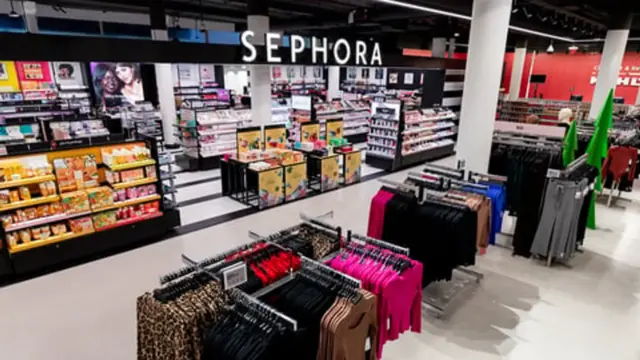
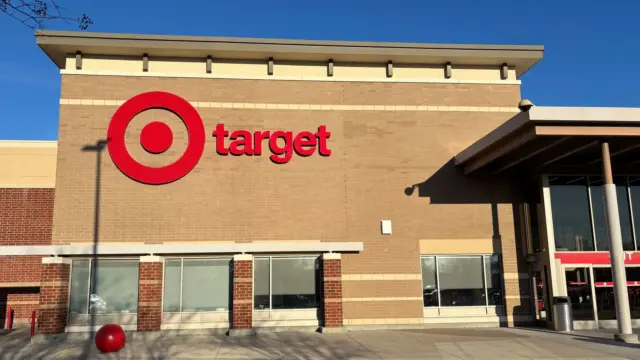
At the same time, the broader retail ecosystem is undergoing a strategic realignment. Major retail players are reshaping their physical footprints and merchandising strategies to capture this sustained momentum. Notable shifts—such as Target winding down its high-profile shop-in-shop partnership with Ulta Beauty while doubling down on its proprietary prestige concepts, and Ulta expanding its footprint with flagship experiential stores—demonstrate that competition for the modern beauty consumer has never been fiercer.
This report provides an in-depth analysis of the performance drivers behind the first half of the year, examines category-specific metrics across mass and prestige markets, incorporates expert perspectives from industry leadership, and evaluates the strategic pivot points defining the future of beauty retail.
Detailed Chronology: Shifts and Milestones in the 2026 Beauty Landscape
The first half of the year has been a period of intense transformation for the beauty industry, characterized by changing consumer habits, strategic corporate divorces, and aggressive retail expansions.
Q1 2026: Strong Foundations and Early Market Share Shifting
As the year commenced, early retail reporting signaled that the beauty sector would once again decouple from broader retail slumps. In the first quarter, established specialty players like Ulta Beauty reported solid gains, capturing vital prestige market share despite mounting macroeconomic pressures on everyday consumers. Retailers quickly recognized that maintaining consumer engagement would require agile merchandising, prompting brands to lean heavily into innovative product formulations and targeted digital marketing campaigns.
Spring 2026: The Unraveling of Strategic Partnerships
As the spring shopping season unfolded, major structural changes began to materialize within mass-market retail. Most notably, Target and Ulta Beauty finalized the wind-down of their highly publicized shop-in-shop partnership, bringing a formal end to a collaboration that had been closely watched across the retail sector. The dissolution of this partnership signaled a critical shift in how mass retailers view their role in the beauty ecosystem. Rather than relying on outsourced prestige footprints, mass merchants are increasingly charting their own courses. For Target, this meant sunsetting the collaborative model while simultaneously committing to its proprietary "Beauty Studio" concept—an in-house strategy designed to capture prestige dollars directly.
Mid-2026: Circana’s Mid-Year Findings
By the midpoint of the year, comprehensive data from Circana quantified what industry insiders had suspected: the U.S. beauty market was thriving. The release of these mid-year figures provided definitive proof that both mass and prestige sectors had posted positive sales growth, driven largely by exceptional performances in fragrance, skin care, and body care. The report served as a clarion call for brands and retailers to refine their omnichannel strategies just as consumers began pivoting toward back-to-school and late-summer shopping cycles.
Late 2026 and Beyond: Experiential Retail Takes Center Stage
Looking toward the horizon, beauty retailers are doubling down on experiential brick-and-mortar strategies to complement their robust e-commerce operations. A prime example is Ulta Beauty’s announcement of a massive, highly experiential new flagship store slated for New York City’s Times Square in late 2027. This move underscores a broader industry consensus: physical retail is no longer just about transactions; it is about immersive brand discovery, community building, and seamless integration with digital touchpoints.
A granular look at Circana’s mid-year data reveals fascinating distinctions between how consumers shop for beauty products in prestige environments versus mass-market aisles. While overall growth was positive, the growth drivers varied significantly by category and price point.
The Fragrance Boom: Trading Up for Luxury
Fragrance emerged as one of the absolute star performers of the first half of the year, captivating consumers across both luxury and mass segments.
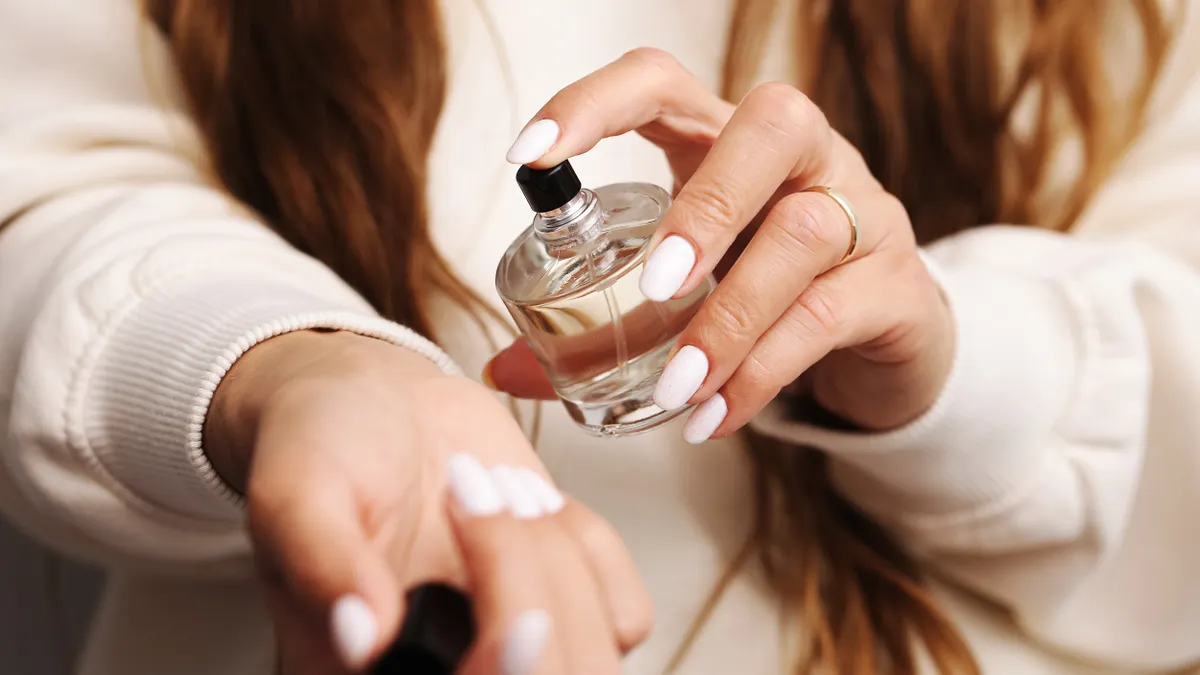
Prestige Fragrance: In prestige retail, fragrance sales climbed 6%, while average prices saw a parallel 5% increase. Interestingly, unit sales remained flat, indicating that consumers were not necessarily buying more bottles, but were instead "trading up" to higher-end, more concentrated formulas. Circana noted that eau de parfum and pure perfume products both posted double-digit growth rates, driven primarily by women’s fragrance sales, which bolstered both total dollar volume and unit movement in the luxury sector.
Mass Market Fragrance: At the mass level, fragrance experienced an even more explosive trajectory. It stood out as the fastest-growing mass-market beauty category. Buoyed by heightened consumer demand and rising price points, mass fragrance sales skyrocketed 15%, while unit sales grew by a healthy 7%. This suggests that mass-market brands successfully captured the attention of budget-conscious shoppers looking for sophisticated scent profiles without luxury price tags.
Skin, Body, and Sun Care: The Wellness-Driven Surge
Health-conscious consumer behavior continued to propel skin care, body care, and sun care to unprecedented heights.
Prestige Skin & Body Care: Skin care reigned as the fastest-growing prestige category, posting a 9% increase in sales alongside double-digit unit growth. Body care proved even more dynamic, surging 16% on the back of insatiable consumer demand for specialized cleansers, hydrating lotions, and functional deodorants. Meanwhile, seasonal sun care jumped 19%, reflecting a broader cultural shift toward year-round skin protection and preventative wellness routines.
Prestige Hair Care: Hair care within the prestige market was exceptionally robust. Sales leaped 11% while units grew 8%, an expansion heavily fueled by a nearly 60% surge in sales of specialized hair serums and treatments. Consumers are increasingly treating hair care with the same active-ingredient scrutiny traditionally reserved for facial skin care.
Mass Skin and Hair Care: In the mass market, skin care outperformed the broader mass beauty segment, with every individual sub-category recording increases in both dollar and unit sales. Mass hair care, however, presented a more mixed picture: while overall dollar sales rose 7%, unit sales actually declined, suggesting that price increases were masking softer volume demand in the aisles of traditional mass merchants.
Makeup: Steady, Subdued Growth
While skin care and fragrance captured the spotlight, makeup delivered more modest results.
Prestige Makeup: Sales grew by a modest 3%, though unit sales softened, indicating that inflationary pressures may have prompted consumers to be more selective with their color cosmetics purchases.
Mass Makeup: Mass-market makeup performed slightly better in terms of top-line revenue, with sales rising 5%. However, similar to its prestige counterpart, mass makeup suffered a decline in unit sales, pointing to a persistent trend where higher price points drive revenue gains even as fewer total items cross the scanner.
Official Statements and Industry Insights
The resilience of the beauty sector in the face of economic headwinds has prompted deep analysis from retail analysts and market leaders alike. Industry experts emphasize that the modern beauty consumer is driven by a complex mix of emotional gratification and digital discovery.
Commenting on the mid-year performance, beauty industry advisor and analyst perspectives highlighted the shifting paradigms of retail engagement. Industry expert Jensen noted:
"Looking ahead, beauty industry growth will continue to be shaped by strong consumer engagement in key segments alongside the ongoing evolution of how consumers shop. As e-commerce and social platforms play a larger role in discovery and purchase, brands that create seamless paths from inspiration to transaction will be best positioned to capture future growth."
This perspective underscores the vital intersection between digital content—such as TikTok beauty tutorials, Instagram influencer reviews, and shoppable social ads—and physical or digital checkout experiences. When a consumer discovers a trending hair serum or a viral eau de parfum online, the friction between initial inspiration and the final transaction must be eliminated.
Furthermore, corporate strategies are reflecting a newfound agility. As customers increasingly equalize their spending habits across both mass-market retailers and high-end prestige destinations, legacy retailers are forced to continuously evaluate their value propositions. The dissolution of the Target-Ulta partnership and Target’s subsequent pivot to its independent "Beauty Studio" initiative illustrate a broader executive mindset: retailers are no longer content to borrow prestige equity; they are investing heavily in building proprietary prestige destinations that appeal directly to evolving consumer expectations.
Future Outlook: Navigating the Road Ahead for Beauty Retail
As the retail industry looks past the mid-year mark and prepares for the future, several critical trends are poised to shape the trajectory of the beauty market:
1. The Blurring Lines Between Mass and Prestige
The historical boundaries separating mass-market beauty from prestige labels continue to dissolve. Mass brands are increasingly formulating products with active ingredients traditionally found only in high-end dermatology lines (such as peptides, ceramides, and targeted acids), while prestige brands are finding ways to capture younger, mass-market consumers through accessible entry points like travel-sized minis and targeted body care lines. Retailers must adapt their floor plans and digital architectures to accommodate a consumer who readily bounces between drugstores and luxury department stores.
2. Experiential Retail as a Differentiator
With e-commerce continuing to capture a significant share of beauty discovery and purchasing, physical stores must offer something that cannot be replicated behind a screen. Ulta Beauty’s planned Times Square flagship store, opening in late 2027, is a prime example of this strategy in action. Future brick-and-mortar success will hinge on immersive experiences—such as advanced skin-mapping technology, personalized fragrance blending, interactive makeup masterclasses, and community-driven events that turn a routine shopping trip into an engaging outing.
3. The Enduring Power of Self-Care as an Economic Buffer
Economic uncertainty is unlikely to derail the beauty sector entirely. The historical phenomenon known as the "lipstick effect"—wherein consumers facing financial strain continue to purchase small, affordable luxury items—has evolved into a broader "wellness and self-care effect." Whether a consumer is buying a 19% boost in sun care protection, treating themselves to a concentrated hair serum, or upgrading to a luxury eau de parfum, beauty remains a resilient, recession-resistant outlet for emotional well-being and personal expression.
Ultimately, brands and retailers that master the delicate balance between accessible pricing, innovative active formulations, and seamless omnichannel integration will lead the charge. As consumers continue to prioritize small indulgences, the beauty industry remains uniquely positioned to thrive in an unpredictable economic climate.