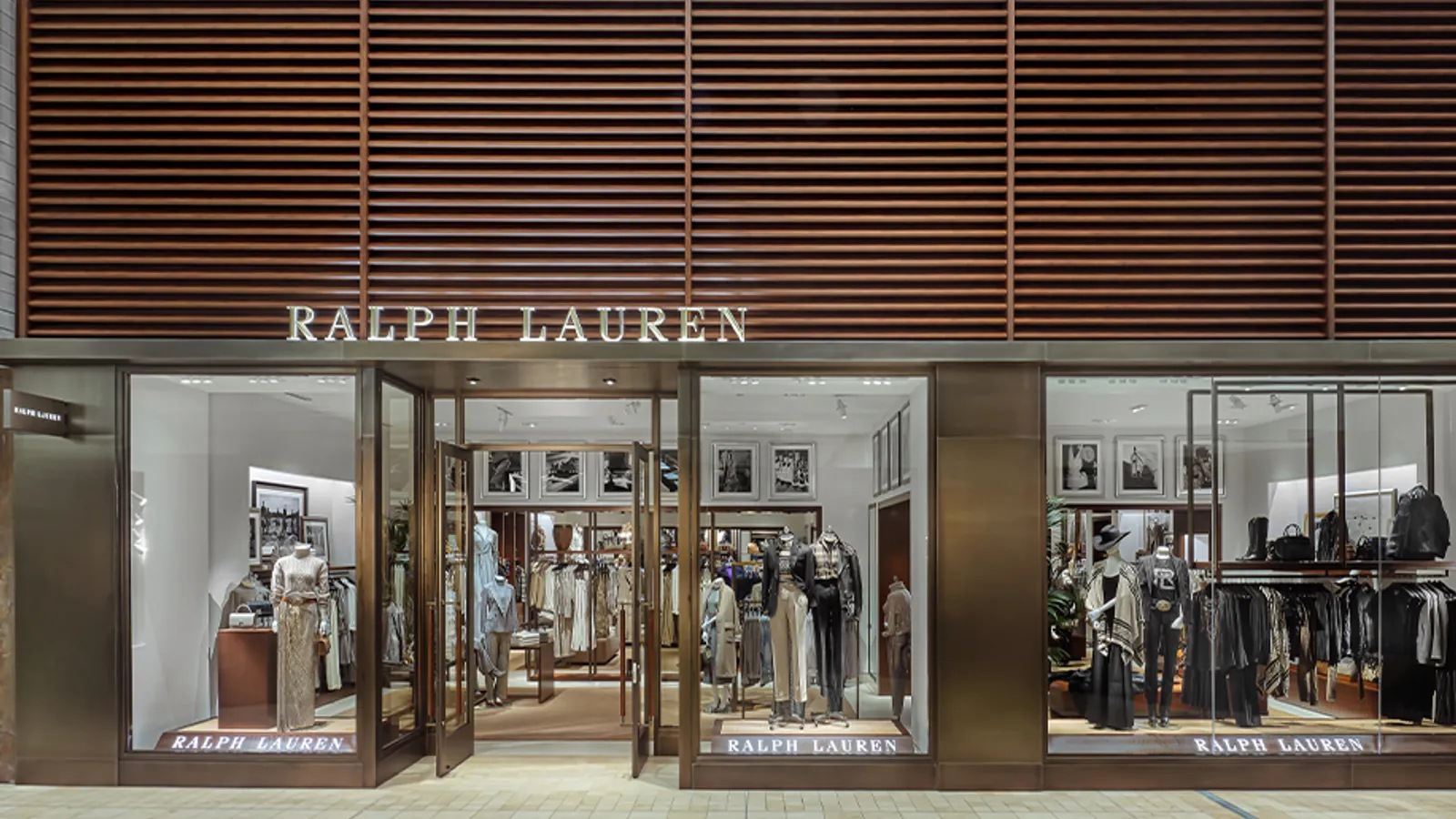
This robust expansion was propelled by impressive geographic milestones, highlighted by a 13% increase in North America and a staggering 40% growth spike in the Chinese market. Across multiple sales channels—spanning a powerful direct-to-consumer (DTC) network and resilient wholesale partnerships—consumers around the world continue to buy heavily into the timeless, aspirational ethos that Ralph Lauren has meticulously cultivated over decades.
Bolstered by these better-than-expected results, executive leadership has officially raised the company’s financial outlook for fiscal 2027. Full-year revenues are now projected to climb between 5% and 6%. This upward revision arrives despite lingering macroeconomic uncertainties, including fluctuating energy prices and potential headwinds from U.S. tariffs, demonstrating the operational agility and pricing power that sets Ralph Lauren apart in a crowded global marketplace.
Detailed Chronology & Financial Performance
To understand the magnitude of Ralph Lauren’s current market standing, one must examine the sustained trajectory of its financial performance. The first quarter’s results were not a sudden flash in the pan, but rather the cumulative result of a multi-year strategy focused on elevating the brand, tightening distribution channels, and deepening direct consumer engagement.
According to financial analysis from Needham firms led by analyst Tom Nikic, the first-quarter direct-to-consumer (DTC) growth marked an astonishing milestone: the 37th consecutive quarter of growth for the segment. More impressively, it represented the seventh double-digit DTC increase recorded over the past eight quarters. This consistent upward trajectory highlights the brand’s ability to drive traffic to both its physical flagships—such as the prominent Toronto storefront—and its proprietary e-commerce platforms.
Furthermore, the wholesale division in North America has played a critical stabilizing and growth-oriented role. Analysts project that North America wholesale will maintain its robust performance through the first half of fiscal 2027. This strength flies in the face of widespread contraction seen across other traditional department store and multi-brand wholesale networks.
Management, led by financial and operational executives including Chief Financial and Operating Officer Jane Nielsen and CEO Patrice Louvet, has continuously refined the company’s geographical footprint. By prioritizing high-impact urban centers, investing heavily in digital infrastructure, and optimizing inventory levels, Ralph Lauren has engineered a finely tuned operational engine capable of capitalizing on regional pockets of explosive demand—most notably evidenced by the 40% year-over-year surge observed in mainland China.
Supporting Context & Metrics: Decoding the "Red-Hot" Brand Heat
While financial ledgers tell part of the story, retail analysts and market observers emphasize that qualitative factors are driving Ralph Lauren’s resurgence. Neil Saunders, managing director of GlobalData, offered pointed commentary via email regarding the underlying mechanics of the brand’s current success.
Saunders characterized the first-quarter revenue growth as "exceptional rather than a new normal," while enthusiastically validating that the company’s overall brand heat remains "red hot." This thermal intensity, according to Saunders, is deeply rooted in the unique versatility of Ralph Lauren’s product architecture.
The Value Equation in Modern Luxury
In today’s retail landscape, modern consumers—particularly younger demographics navigating inflationary pressures—are increasingly selective about where they deploy their capital. Ralph Lauren has successfully positioned itself at the intersection of aspirational luxury and practical utility.
- Versatility Across Occasions: The brand’s core offerings span classic polo shirts, tailored blazers, knitwear, and outerwear that can seamlessly transition from everyday casual wear to formal corporate settings, and down to relaxed weekend environments.
- Perceived Longevity and Quality: Because these garments are crafted with a high degree of traditional quality and classic silhouettes, consumers view them as immune to fast-fashion lifecycle decay. They do not suddenly fall out of style season-over-season.
- The Cost-Per-Wear Philosophy: In the mind of the modern consumer, the ability to wear products extensively equates to exceptional value for money. Even though Ralph Lauren’s price points sit comfortably above standard mid-market retailers, the extended utility of each garment justifies the upfront investment.
This positioning effectively insulates the brand from deep promotional discounting, allowing Ralph Lauren to maintain premium margins while expanding its consumer base across diverse generational cohorts.
Official Statements & Executive Insights
During earnings calls and investor updates, company leadership provided granular context regarding how these global dynamics will dictate corporate strategy moving forward.

Chief Financial and Operating Officer (or operational leadership speaking to analysts) emphasized that while the global numbers are cause for celebration, management maintains a disciplined, cautious outlook regarding complex geopolitical and economic regions. Specifically, leadership noted that the company’s fiscal 2027 guidance "maintains a prudent view of consumer demand in EMEA" (Europe, Middle East, and Africa), factoring in potential economic friction caused by European energy pricing changes and looming U.S. tariffs.
Despite these recognized friction points, the core trajectory remains aggressively positive.
"By region for fiscal 2027, we still expect North America revenue to grow approximately low single digits," corporate leadership noted in briefings with Wall Street analysts. "We are encouraged by our strong first-quarter performance with continued momentum in our direct-to-consumer channel and healthy wholesale sell-out."
This balance of aggressive growth execution paired with institutional conservatism has earned high marks from institutional investors, who view the management team’s transparency as a stabilizing asset amidst unpredictable global trade policies.
Future Outlook: Navigating Fiscal 2027 and Beyond
Looking toward the remainder of fiscal 2027, Ralph Lauren is positioned to capitalize on several strategic growth pillars. The decision to raise full-year revenue expectations to a 5% to 6% increase reflects institutional confidence that the momentum witnessed in China and the domestic DTC channels is structural rather than fleeting.
Strategic Priorities for the Horizon:
- International Expansion & Acceleration: Following the 40% leap in China, the brand plans to further refine its footprint across Asia-Pacific markets, tailoring localized digital campaigns and high-touch VIP experiences that resonate with affluent regional consumers.
- DTC and Omnichannel Mastery: With 37 straight quarters of DTC growth under its belt, the brand will continue to invest in proprietary digital tools, personalized marketing data, and immersive flagship store concepts that elevate the physical shopping experience.
- Wholesale Discipline: By carefully managing inventory allocations with strategic retail partners in North America and Europe, Ralph Lauren aims to protect brand equity, prevent inventory gluts, and ensure clean sell-through metrics.
- Resilience Against Macro Pressures: While monitoring energy pricing shifts in EMEA and potential regulatory or tariff adjustments in the United States, the brand’s robust margins and strong balance sheet provide a protective buffer against unexpected supply chain shocks.
Ultimately, Ralph Lauren has demonstrated that classic design, when executed with operational precision and unyielding brand integrity, can transcend the cyclic downturns of the broader retail economy. As consumers continue to buy into the enduring dream of American classic luxury, Ralph Lauren stands ready to convert that emotional connection into sustained, long-term shareholder value.