
Executive Overview
Designed to seamlessly capture, transcribe, and synthesize virtual video calls, phone conversations, and in-person meetings, Notetaker promises to liberate professionals from the cognitive burden of splitting their attention between active listening and furiously scribbling down minutes. However, the debut of Wispr’s new assistant arrives at a treacherous crossroads for the industry. While the technology behind AI transcription is achieving unprecedented levels of contextual intelligence—leveraging personalized dictionaries, calendar integrations, and Model Context Protocol (MCP) to plug straight into advanced LLMs like Anthropic’s Claude and OpenAI’s ChatGPT—the sector is simultaneously plagued by intense regulatory scrutiny, looming litigation, and mounting consumer anxiety over privacy.
As Wispr rolls out Notetaker for macOS (with Windows support waiting in the wings), it must battle established heavyweights such as Fireflies, Granola, and Otter. At the same time, the company faces the delicate task of balancing frictionless user experience with strict legal compliance, especially regarding call recording consent and data privacy. This report provides an in-depth examination of Wispr Flow Notetaker’s core functionalities, its technological underpinnings, the competitive market dynamics, and the broader privacy challenges casting a shadow over the booming AI note-taking economy.
Detailed Chronology: From Dictation Pioneers to Meeting Room Disrupters
To fully understand the strategic weight of Notetaker, one must examine the trajectory of its parent company. Founded in 2021, Wispr quietly set out with a grand, long-term vision that extended far beyond simple typing aids. To date, the startup has secured an impressive $81 million in venture backing, signaling strong investor confidence in its broader mission to fundamentally reshape human-computer interaction.
- 2021: Wispr is founded with an overarching ambition to revolutionize how humans interface with their digital devices. Leadership identifies dictation software as the fastest, most pragmatic entry point into the market.
- The Wispr Flow Era: The company launches Wispr Flow, establishing its reputation as a high-accuracy dictation tool. Crucially, Flow introduces a proprietary personal dictionary feature capable of learning specialized acronyms, product names, and unique user spellings.
- Present Day: Wispr takes its second major strategic step by launching Notetaker. While Flow successfully removed the keyboard from standard writing tasks, Notetaker aims to eliminate the keyboard from professional meetings, ensuring that participants no longer have to spend critical meeting hours manually recording what was just said.
Unlike traditional transcription bots that announce their presence by gatecrashing a Zoom or Microsoft Teams call, Wispr Flow Notetaker operates unobtrusively. Activated with a single click, the software captures audio locally on the user’s device, bypassing the need for an external digital attendee. This architectural choice represents a significant evolution in how meeting capture tools interact with participants, prioritizing a stealthier, more integrated user experience.
Core Product Capabilities and Technical Architecture
Wispr Flow Notetaker is engineered to manage the entire lifecycle of a professional meeting, dividing its operations into three distinct chronological phases: pre-meeting preparation, live in-meeting assistance, and post-meeting analysis.
1. Pre-Meeting Contextual Briefing
Before a call even begins, Notetaker acts as an executive research assistant. It surfaces a comprehensive meeting brief that aggregates vital information, including the stated purpose of the gathering and relevant background profiles of the participants. This feature is designed to eliminate the scramble of opening multiple browser tabs or digging through past email threads just moments before a critical client pitch or internal sync.
2. Live In-Meeting Assistance
Once the conversation commences, the software displays a real-time transcript complete with dialogue text and accurate speaker labeling. A particularly innovative feature is the "What did I miss?" button. If a user’s attention drifts or they join a meeting late, tapping this button instantly generates an executive summary of the talking points covered over the previous few minutes.
3. Post-Meeting Synthesis and Archival
Following the conclusion of the call, Notetaker generates a structured, topic-organized summary. This output goes beyond a simple transcript by extracting actionable intelligence, such as key dates, major decisions, and assigned next steps.
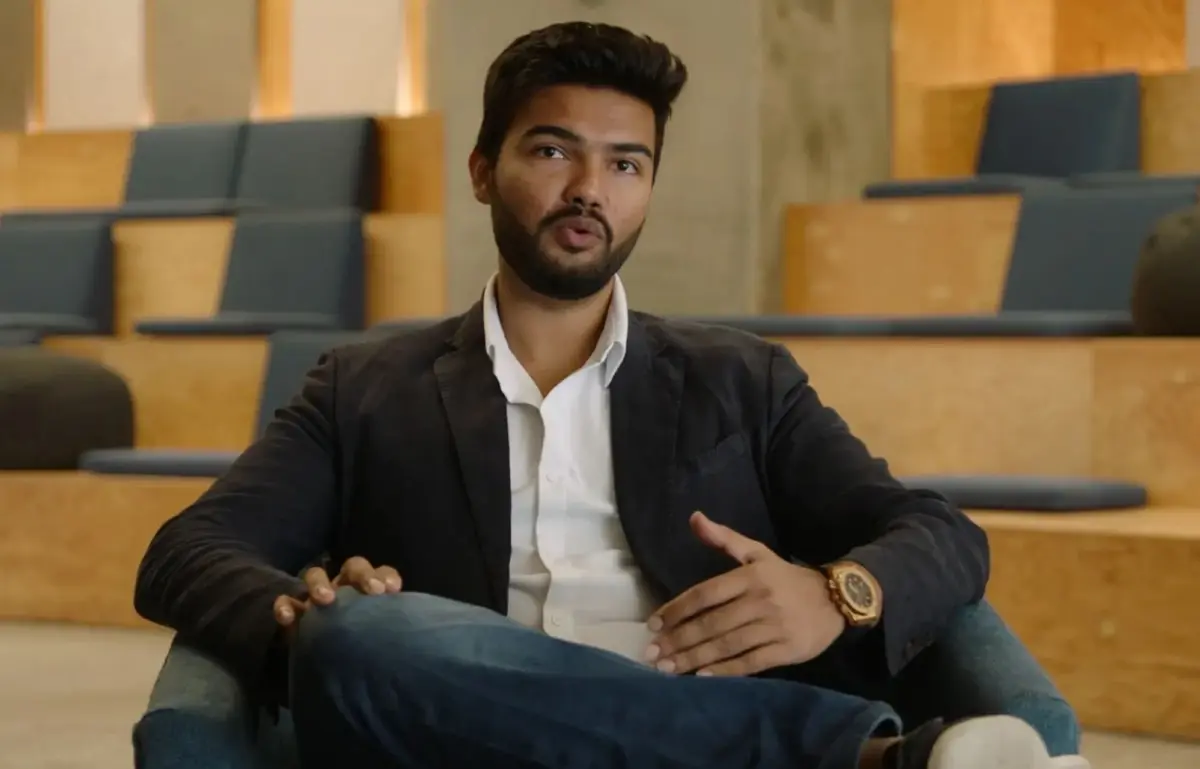
Furthermore, Wispr has prioritized long-term knowledge management. Users can search across historical notes from previous meetings directly within the application. According to Wispr CTO and co-founder Sahaj Garja, this transforms a company’s archives:
"Over time, your meeting history stops being a folder of documents you have to go find and becomes something you can ask questions of."
Seamless Integration via Model Context Protocol (MCP)
Rather than trapping transcripts and summaries inside a siloed application, Notetaker integrates natively with enterprise AI assistants like Anthropic’s Claude and OpenAI’s ChatGPT using the Model Context Protocol. This architectural decision allows users to feed meeting outputs directly into their existing daily workflows, bridging the gap between passive note generation and active productivity execution.
Superior Transcription Accuracy
Wispr asserts that Notetaker outperforms competitors in transcription accuracy by leveraging deep contextual layers. The software utilizes the same personal dictionary established in Wispr Flow—retaining industry jargon, acronyms, and specialized product names—while pulling external data sources like calendar entries to understand meeting intent and ensure precise speaker attribution. Before finalizing summaries, Notetaker cross-references the live transcript with this added context to polish its final outputs.
Supporting Context & Metrics: The Competitive Landscape
Wispr does not enter this market in a vacuum. The ecosystem for AI-driven transcription and meeting assistance is intensely competitive, populated by well-funded incumbents and agile startups alike.
Key Market Competitors
- Otter.ai: One of the earliest and most dominant players in automated meeting notes, Otter relies on a calendar-syncing bot that joins video calls to transcribe and summarize conversations.
- Fireflies.ai: A robust enterprise-focused meeting assistant equipped with deep CRM integrations, analytics, and searchable audio repositories.
- Granola: A rising startup taking a unique, minimalist approach to AI note-taking, emphasizing human-curated prompts combined with automated transcription.
Market Dynamics and Funding Realities
The appetite for AI note-taking tools is underpinned by massive enterprise demand for operational efficiency. Professionals spend countless hours every week in meetings, and the promise of automating documentation saves billions of cumulative work hours globally. However, as the market matures, differentiation is no longer just about who can transcribe audio the fastest; it is about how the data is processed, where it is stored, and how seamlessly it plugs into broader workplace ecosystems. With $81 million in funding behind it, Wispr possesses the financial runway necessary to aggressively market Notetaker and iterate rapidly against these entrenched rivals.
Official Statements and Strategic Vision
The philosophy driving Wispr’s product roadmap is rooted in the belief that human-computer interfaces are fundamentally broken and require continuous reinvention.
Reflecting on the company’s evolution, CTO and co-founder Sahaj Garja emphasized that dictation was never meant to be the final destination:
"We didn’t set out to build a dictation app. The mission has always been to reshape how people interact with their devices, and dictation was the fastest way in."
Elaborating on the strategic placement of Notetaker within that grander vision, Garja noted:
"Notetaker is the second product on that path. Dictation took the keyboard out of writing. Notetaker takes it out of meetings, so nobody has to spend the call typing up what everyone just said."
Addressing the technical design choice to process data locally and integrate via modern LLM protocols, Garja highlighted the emphasis on workflow continuity:
"We wanted to connect outputs such as transcripts and summaries directly into how you already work, instead of forcing users to sit in a separate, isolated app."
The Dark Cloud: User Consent, Privacy Concerns, and Legal Scrutiny
Despite the dazzling utility of AI note-taking assistants, Wispr’s launch of Notetaker coincides with a period of severe legal and ethical reckoning for the entire industry. As these tools become ubiquitous fixtures in professional settings, growing privacy concerns have triggered regulatory backlash and high-stakes litigation.
The Looming Threat of Privacy Lawsuits
The passive, background nature of modern AI recording tools has ignited fierce legal debates. In some jurisdictions, all-party consent is legally mandated before any conversation can be recorded. The failure to secure explicit consent has already put major software vendors in the crosshairs. Most notably, companies like Otter and Granola are currently facing separate class-action lawsuits in California alleging severe violations of state privacy laws related to their product deployment models.
Wispr’s Approach: Local Capture vs. Notification Bots
Because Wispr Flow Notetaker captures audio locally on a user’s device rather than deploying a visible, named bot into a video conference room, it operates without an automatic digital notification signaling that transcription is underway. This design choice shifts the legal and ethical burden squarely onto the human user.
Acknowledging this responsibility, Sahaj Garja issued a clear directive for users of the platform:
"Users should always let the other person know before you start recording or transcribing a conversation, whether it’s a video call, an in-person meeting, or a phone call."
To mitigate this friction, Wispr has announced plans to roll out automated consent messaging features "in the coming weeks" to help users navigate compliance more seamlessly.
Data Security, Model Training, and Retention Policies
To alleviate corporate and individual security fears, Wispr has outlined strict data governance guidelines:
- AI Training Restrictions: Wispr explicitly states that it does not train its core AI models on customer data without explicit consent. However, users on the free and standard tiers must actively opt out according to the platform’s security compliance terms.
- Biometric Protection: The company affirms that it does not create "voiceprints or biometric profiles" of users or meeting participants using captured audio data.
- Encryption and Deletion: When Notetaker is active, conversation audio is captured locally on the user’s device and processed securely via cloud servers to execute transcription. The resulting audio files are heavily encrypted and stored only temporarily. Following a limited holding period, the raw audio files are automatically purged from the system.
Future Outlook: Navigating the Road Ahead
Wispr Flow Notetaker enters the productivity software market at a fascinating inflection point. The technological capability to synthesize conversations, extract actionable insights, and plug them directly into advanced LLMs via Model Context Protocol represents a massive leap forward for workplace efficiency. For knowledge workers drowning in back-to-back meetings, tools like Notetaker offer a genuine reprieve from administrative fatigue.
Yet, Wispr’s path forward is far from frictionless. The company must deftly navigate an increasingly hostile legal landscape where privacy advocates and regulators are taking a hardline stance against covert or poorly disclosed audio recording. While Wispr’s policy of local capture offers a clean, bot-free user experience, it places immense trust—and legal liability—in the hands of the end-user. The success of Notetaker will heavily depend on how rapidly and effectively Wispr can deploy its promised automated consent features and maintain absolute transparency regarding data handling.
As the software expands from its initial macOS rollout to encompass Windows platforms in the near future, Wispr will test whether its superior contextual accuracy and seamless LLM integrations are enough to carve out market share from entrenched giants like Otter and Fireflies. If Wispr can successfully marry cutting-edge AI utility with uncompromising data privacy and ethical compliance, Notetaker could very well redefine the modern meeting standard. If it stumbles on the regulatory front, however, it risks becoming entangled in the very same legal quagmire currently threatening its peers.