

Executive Overview
For the productivity-minded professional or the tech-dependent enterprise worker, this paradox carries significant weight. Google’s latest lineup offers arguably the best all-around Android experience available today, fortified by industry-leading software support policies, exceptional camera fidelity, and rock-solid everyday performance. Yet, when placed side-by-side with the Pixel 10 generation—or even the Pixel 9 series—the visible and functional leaps forward are subtle to the point of invisibility.
Compounding this iterative stagnation are a few perplexing regressions, including the quiet removal of the physical thermometer on Pro models and a bifurcated RAM strategy forced by industry-wide hardware shortages. For tech consumers accustomed to chasing generational leaps, the Pixel 11 lineup is bound to elicit a collective shrug. But for professionals who value stability, longevity, and functional consistency over flashy, half-baked gimmicks, the lack of "excitement" might just be the most compelling selling point of all.
Detailed Chronology: The Launch and First-Week Impressions
The rollout of the Pixel 11 portfolio was handled with a characteristic lack of conventional marketing grace. Last Wednesday, Google executed a fractured launch strategy, publishing an exhaustive, highly detailed blog post in the morning hours, only to follow it up with an elaborate, digitally streamed evening event several hours later. Amid this corporate theater, review units arrived at doorsteps, setting the stage for a rigorous evaluation period.
Having lived intimately with a personal Pixel 10 Pro for the past year—and having audited nearly every flagship Android release over the past decade—the review process involved an immediate, full-context migration to the new Pixel 11 hardware ecosystem. Transitioning day-to-day operations from the Pixel 10 Pro to the Pixel 11 Pro highlighted both the frictionless nature of modern device handoffs and the eerie familiarity of the new hardware.

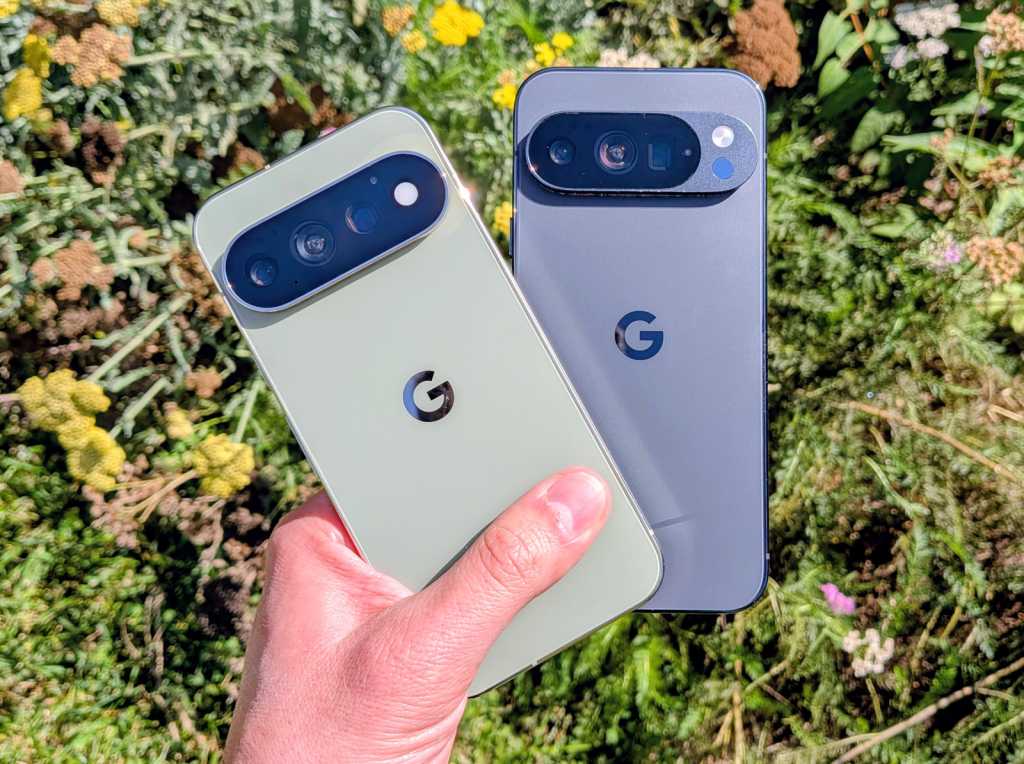
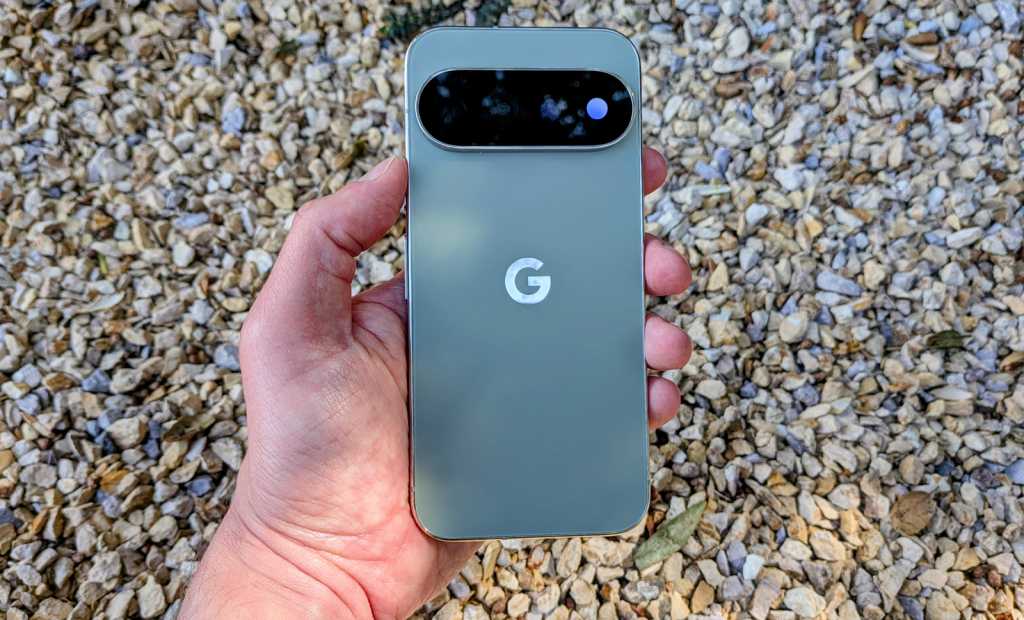
Physically, the new units boast subtle refinements: marginally thinner camera bars, slightly higher peak display brightness ratings, and titanium-grade or heavily reinforced aluminum finishes designed to withstand daily abuse. The Pixel 11 Pro Fold, in particular, continues to validate Google’s chosen form factor. While competitors like Samsung lean toward shorter, squatter, and wider cover screens for their folding devices, Google’s hardware engineers have preserved a standard, phone-like aspect ratio on the outer display. This design choice allows the device to function as a traditional, highly ergonomic smartphone during 80% of daily interactions, while expanding into an immersive tablet layout upon unhinging the hinge—all while shaving roughly 0.7mm of thickness and 19 grams of weight compared to the Pixel 10 Pro Fold.
However, once the initial unboxing euphoria subsided, the week-long testing phase revealed that day-to-day interactions with the Pixel 11 felt almost indistinguishable from using its predecessor. App launch speeds, already instantaneous on previous hardware, showed no perceptible delta in real-world scenarios. Photographic outputs, while magnificent, required pixel-peeping to spot the dynamic range improvements delivered by the upgraded sensors. In short, the chronology of the Pixel 11’s launch week was defined less by technological breakthroughs and more by a quiet, steady continuity.
Supporting Context & Metrics: Hardware Iterations, AI Gimmicks, and Regressions
To truly understand where the Pixel 11 fits into the broader mobile landscape, one must dissect its specifications, software additions, and hardware compromises under a microscope.
The Performance and Display Metrics
On paper, the Pixel 11 series introduces newly engineered, extra-efficient system-on-chips designed to optimize thermal performance and battery longevity. Charging speeds have seen a minor upward tick, and the displays feature enhanced scratch resistance alongside higher nit-ratings for direct-sunlight legibility. Yet, in real-world use cases—such as managing concurrent video calls, rendering large spreadsheets, or toggling between navigation and productivity apps—the performance gains remain abstract metrics rather than tangible upgrades.
Software Highlights: Magic Capture and Enhanced Voice Typing
Google has leaned heavily into software-driven value propositions this generation, introducing two standout additions:
- Magic Capture: A native camera mode that records continuous video while intelligently extracting full-resolution still photographs of the most emotionally resonant or compositionally sound moments. It eliminates the friction of choosing between shooting video or capturing photos during high-speed family events or professional presentations.
- Enhanced Android Voice Typing: Delivering dictation speeds and accuracy levels that rival third-party power-user tools like Wispr Flow, this native system makes hands-free text generation drastically more reliable.
The HiLight LED System: A Missed Opportunity
One of the most visually distinct additions to the Pixel 11 Pro models is the HiLight LED system, embedded directly into the right side of the camera bar. In theory, this modern iteration of the classic Android notification light is a stroke of genius. In practice, its functionality is shockingly truncated. At launch, the HiLight LED serves precisely two functions: pulsing when the user engages hands-free Gemini voice commands, and illuminating in a custom hue when specific priority contacts call.
While charming, this implementation feels embarrassingly half-baked. Power users can easily replicate—and vastly expand upon—this functionality using third-party automation tools on older Android devices, rendering the physical hardware integration more of a stylistic novelty than a utility driver.
Noteworthy Regressions and Component Constraints
Progress, unfortunately, has come at a distinct cost. The Pixel 11 lineup introduces two significant regressions that prospective buyers must weigh carefully:
- The Vanishing Thermometer: Google has completely removed the physical temperature sensor that graced the backs of previous Pro models. While initially criticized as a rushed gimmick when it debuted, the sensor evolved into a genuinely reliable tool for parents and professionals needing quick, non-contact temperature readings. Its silent disappearance is a puzzling downgrade.
- The RAM Allocation Compromise: Due to well-documented, industry-wide memory shortages expected to persist through the coming years, base configurations of the Pixel 11 Pro ship with 12GB of RAM. Buyers must step up to the expensive 512GB storage tier to secure 16GB of RAM—the baseline standard that all Pro models enjoyed during the previous generation. While average users may not notice the drop immediately, heavy multitaskers and enterprise power users utilizing resource-intensive local AI models may feel the pinch down the line. (Meanwhile, the Pixel 11 Pro Fold retains 16GB of RAM as a baseline, but accompanies this with a $100 price hike over its predecessor).
Official Statements and Industry Perspective
Google’s positioning of the Pixel series has evolved away from raw hardware spec races toward a holistic ecosystem play anchored by artificial intelligence and long-term device support. Company executives continue to emphasize that the true value of a Pixel device lies not in its Day-1 benchmark scores, but in its compounding utility over time.
This strategy is anchored by Google’s industry-unrivaled seven-year software support policy. The Pixel remains the singular Android platform where major operating system upgrades, security patches, and periodic feature drops arrive simultaneously and reliably across the supported fleet within days of release. No competing Android original equipment manufacturer (OEM) comes close to matching this guarantee. For enterprise environments and privacy-conscious professionals, this predictable cadence of security hardening is non-negotiable.
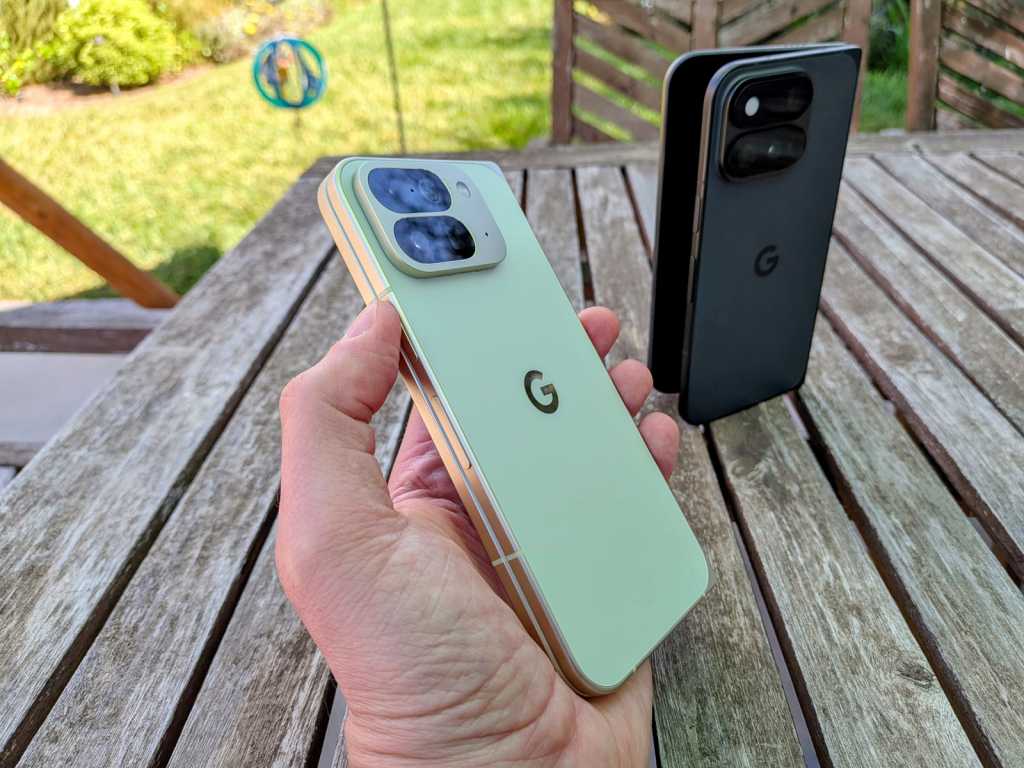
Industry analysts reviewing the Pixel 11 have largely echoed a unified sentiment: unexciting. Reviewers across the tech landscape have pointed out the lack of revolutionary hardware shifts, questioning whether incremental camera tweaks and nominal processor optimizations justify an upgrade cycle for owners of Pixel 9 or Pixel 10 devices.
Google’s counter-narrative, however, focuses on digital fatigue. In an era where smartphone marketing is saturated with rushed AI novelties—frequently rolled out at the expense of computational accuracy and data privacy—choosing stability over superficial flash is framed as a feature, not a bug.
Future Outlook: What This Means for You
As the smartphone market matures into a predictable appliance cycle, the calculus for buyers has fundamentally shifted. The release of the Google Pixel 11 forces consumers to evaluate their relationship with technology through a practical lens rather than an emotional one.
If You Own a Pixel 10 (or a Recent Pixel 9)
Do not upgrade. The real-world delta between your current daily driver and the Pixel 11 is negligible. Between the subtle nature of the camera improvements, the identical daily performance feel, and the frustrating regression of base RAM configurations on Pro models, your current hardware is more than capable of carrying you forward. Save your capital.
If You Are on an Older-Gen Pixel or Switching from iOS
The Pixel 11 is an exceptional recommendation. If you are operating on a Pixel 6, 7, or 8—or looking to cross the platform aisle from an older iPhone—the Pixel 11 lineup represents the absolute apex of the Android experience. You will immediately benefit from vastly superior battery management, cutting-edge camera processing, premium build qualities, and the peace of mind that comes with Google’s remaining years of guaranteed software support.
The Broader Takeaway
The Pixel 11 proves that stagnation is not always synonymous with failure. Sometimes, a phone that refuses to chase radical, unproven gimmicks is exactly what the modern professional needs. In a technology sector obsessed with manufacturing artificial urgency, the Pixel 11’s unexciting nature is proof that its predecessors did their jobs right. It is a tool designed to get out of your way, keep your data secure, and quietly execute daily tasks without demanding your constant attention—and in today’s hyper-distracted digital workspace, that is the highest praise a device can earn.