

Executive Overview
The gathering served as a critical nexus for dialogue between the nation’s tax administrators and the professionals who serve as the vital bridge to the taxpaying public. Against the backdrop of a rapidly changing legislative environment—including the rollout of Trump Accounts and upcoming guidance on the One Big Beautiful Bill Act (increasingly referred to by Republicans as the Working Families Tax Cuts)—the New York City forum provided a timely platform to address policy implementation, review the successes of the 2026 filing season, and set strategic expectations for 2027.
At the same time, recent reports from the National Taxpayer Advocate highlight a broader narrative: the slow-moving, historically antiquated technology infrastructure of the IRS is undergoing a consequential modernization. Fueled by strategic IT investments, automation, and enhanced self-service digital tools, the agency processed more than 144 million returns during the 2026 season with unprecedented efficiency.
This comprehensive report examines the key takeaways from the New York City Tax Forum, explores the technological milestones driving current filing season successes, analyzes the regulatory horizons ahead, and evaluates what enhanced public-private collaboration means for the future of U.S. tax administration.
Detailed Chronology: The NYC Tax Forum and National Engagement
The IRS Nationwide Tax Forum in New York City, held from August 18 to August 20, represented the centerpiece of the agency’s summer outreach efforts. As the premier education and networking event for tax practitioners, the NYC stop drew thousands of professionals seeking clarity on compliance, software integrations, and emerging federal policy.
The Event Timeline and Expansion
- August 18–20: The multi-day NYC forum convenes, featuring keynote addresses, panel discussions, and technical workshops led by senior IRS officials and industry leaders.
- August 25: Stakeholder organizations, including the New York State Society of CPAs (NYSSCPA), release formal statements praising the collaborative tone and accessibility of IRS leadership during the event.
- September (Upcoming): The final two stops of the 2026 Nationwide Tax Forum series are scheduled for Orlando and San Diego. Both events have officially sold out, underscoring intense practitioner demand for direct engagement with federal tax authorities.
Core Discussion Themes in Manhattan
During closed-door sessions and open panels alike, Bisignano and attending tax professionals dove deep into complex operational and legislative topics. Discussions centered on:
- Trump Accounts: Operationalizing new directives and understanding the account structures, eligibility criteria, and reporting requirements associated with these emerging financial instruments.
- The One Big Beautiful Bill Act / Working Families Tax Cuts: Parsing early guidance, compliance expectations, and planning strategies for clients navigating the sweeping legislative provisions championed by congressional Republicans.
- Filing Season Post-Mortems: Reviewing friction points, processing bottlenecks, and successful strategies from the 2026 tax filing season.
- 2027 Outlook: Anticipating forthcoming regulatory changes, IT rollouts, and administrative shifts ahead of the next major filing cycle.
Supporting Context & Metrics: The 2026 Filing Season in Review
To fully appreciate the urgency behind the IRS’s outreach initiatives, one must examine the operational data from the 2026 filing season. According to official IRS statistics, the agency processed more than 144 million individual income tax returns this year, demonstrating a level of throughput that challenges the agency’s historical reputation for backlogs and delays.

Key Performance Indicators (2026 Season)
- Total Returns Processed: Over 144 million individual returns.
- Electronic Refunds: A staggering 98% of all tax refunds were delivered electronically via direct deposit, drastically reducing paper-handling overhead.
- Refund Valuations: The average tax refund increased by 11% compared to the prior filing year, providing a notable liquidity boost to millions of American households.
- Online Account Engagement: Taxpayers logged into their Individual Online Accounts nearly 121 million times throughout the season.
- Information Return Access: Taxpayers accessed necessary income and tax documents via online portals more than 3.7 million times to facilitate accurate return preparation.
- Refund Tracking: The ubiquitous “Where’s My Refund?” digital tool was utilized approximately 346 million times—a 9% increase over the previous year.
The Role of Automation and Technology
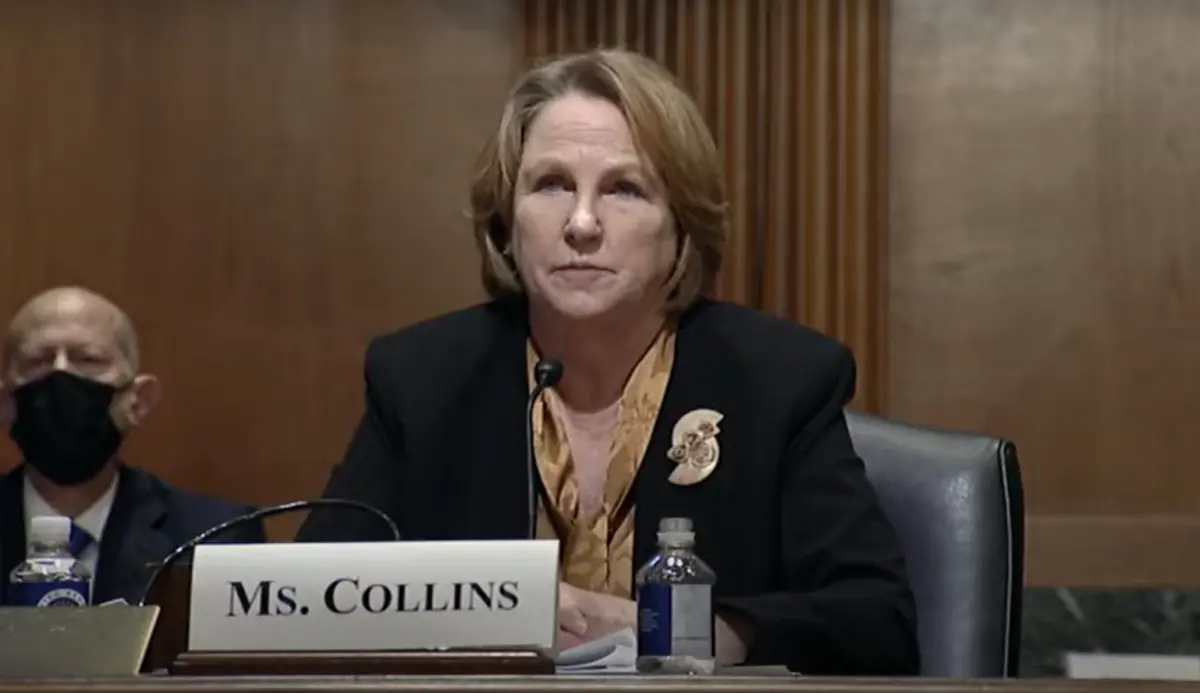
In her midyear report to Congress, National Taxpayer Advocate Erin Collins credited the IRS’s sustained technology transformation efforts as the primary catalyst for these strong metrics. The vast majority of standard tax returns were processed automatically and without manual intervention, allowing compliant taxpayers to file seamlessly and receive their funds on time.
Collins noted that expanded digital capabilities—such as document upload functionality for specific notices, real-time refund status notifications, and direct deposit update features—fundamentally transformed the taxpayer experience.
“The IRS is often held up as the poster child for antiquated government technology infrastructure, and there is certainly some truth to that characterization,” Collins remarked in her congressional report. “But the IRS has been improving its technology year by year, and as long as it gets the IT right, most taxpayers file their returns and receive their refunds without delay.”
Official Statements and Industry Perspectives
The collaborative tone struck at the New York City forum reflects a deliberate shift in how the IRS views its relationship with the tax practitioner community. Rather than treating tax professionals merely as external compliance agents, agency leadership increasingly relies on them as active partners in governance and communication.
Frank Bisignano on the Value of Practitioner Feedback
Frank Bisignano, who serves concurrently as the head of the Social Security Administration and CEO of the IRS, emphasized that direct dialogue directly strengthens the nation’s financial infrastructure.
“The input and feedback that the IRS receives from tax practitioners improves the tax collection and administration process,” Bisignano stated. “Tax professionals play a critical role in our tax system by providing an important link between the Service and the taxpaying public, helping them to understand and meet their tax obligations.”
Orumé Hays on the State of Collaboration
Representing the local professional community, Orumé Hays, president-elect of the New York State Society of CPAs, underscored the tangible value of executive-level access and open communication channels.

“Having the opportunity to meet with Bisignano demonstrates the strong relationship between the IRS and the stakeholder community,” Hays noted in a statement released following the event.
Drawing on her extensive background with the NYCPA’s Relations with the IRS Committee, Hays added:
“Through my years of participation… I have witnessed firsthand the benefits of this collaboration. It has helped foster open communication, strengthen mutual understanding, and support our shared commitment to effective tax administration and quality service to taxpayers.”
Future Outlook: Preparing for 2027 and Beyond
As the sold-out Orlando and San Diego forums approach in September, the IRS is actively synthesizing the qualitative feedback gathered in New York City to refine its operational roadmap for the 2027 filing season.
Strategic Priorities Ahead
- Expanding Digital Self-Service: Building upon the success of the 121 million portal logins in 2026, the agency plans to further broaden Individual and Business Online Account capabilities, striving to minimize telephone wait times and paper correspondence backlogs.
- Legislative Integration: As regulatory guidance solidifies around the One Big Beautiful Bill Act (Working Families Tax Cuts) and Trump Accounts, the IRS must ensure that tax preparation software providers and human practitioners are equipped with clear, timely instructions.
- Institutionalizing Feedback Loops: Bisignano’s commitment to ongoing stakeholder summits signals a permanent cultural shift within the IRS—one that prioritizes proactive consultation with CPAs and enrolled agents before major policy rollouts occur.
Conclusion
The convergence of top-tier IRS leadership and grassroots tax professionals in New York City illustrates a maturing partnership. While structural challenges and legacy infrastructure hurdles remain, the measurable successes of the 2026 filing season—underpinned by strategic IT modernization and record-breaking digital engagement—demonstrate that progress is real. By continuing to listen to the practitioners on the front lines of tax compliance, the IRS is charting a pragmatic course toward a more efficient, transparent, and responsive American tax system.