
Executive Overview
The meteoric rise and precipitous fall of Situational Awareness—the artificial intelligence-focused hedge fund that captivated Wall Street—has reached a critical new juncture. Once hailed as the vanguard of a new breed of tech-centric financial management, the firm is now navigating a multi-pronged crisis characterized by a severe market downturn, billions in erased asset value, and intensifying scrutiny from federal regulators.
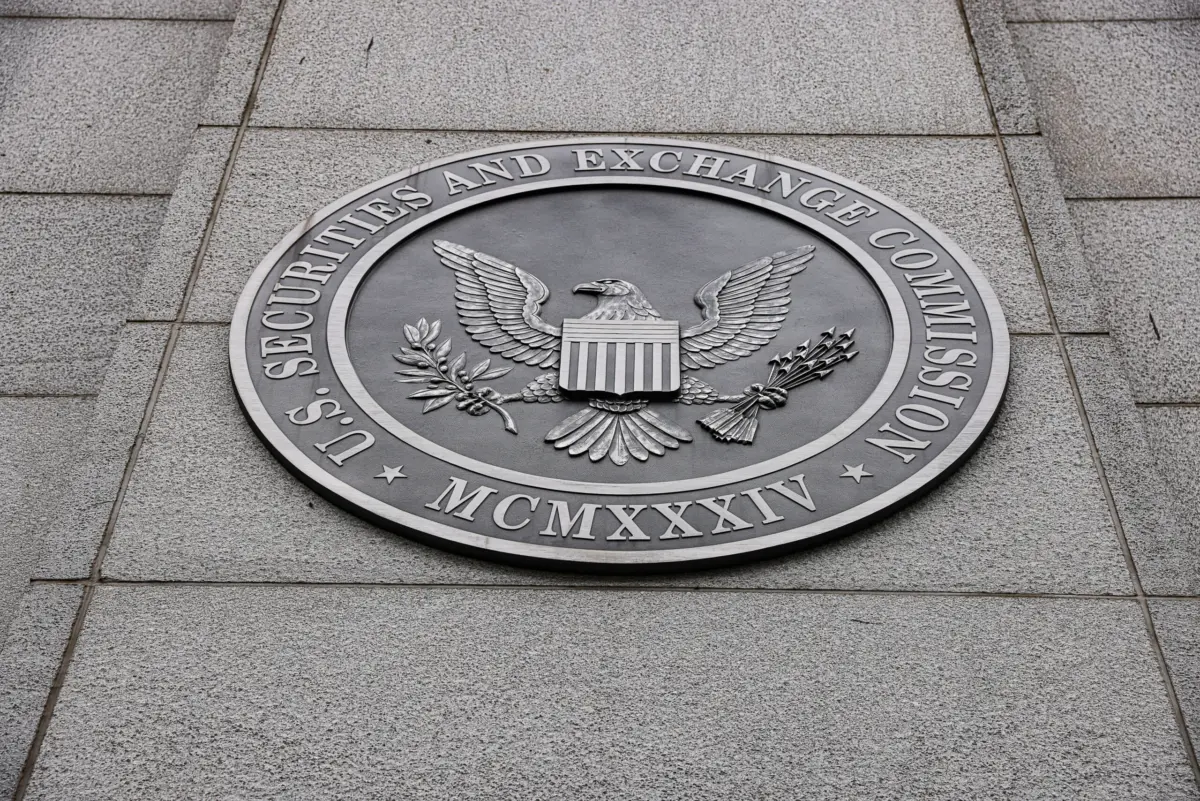
According to recent reports, the U.S. Securities and Exchange Commission (SEC) has initiated a sweeping inquiry into the operations of the fund, issuing subpoenas to major financial institutions that provided prime brokerage, trading supervision, and capital-channelling services to the company. While federal authorities have explicitly stated that Situational Awareness has not yet been formally accused of any wrongdoing, the issuance of preservation orders to financial partners underscores the gravity of the ongoing regulatory interest.
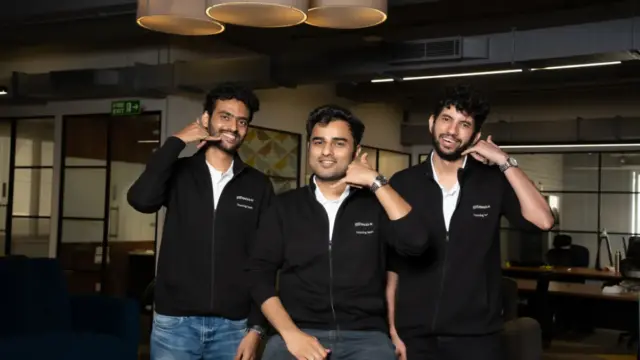
Led by twenty-something former OpenAI researcher and strategist Leopold Aschenbrenner, Situational Awareness built its entire investment thesis on an aggressive, all-in bet on the unyielding trajectory of artificial intelligence infrastructure and equities. For a brief, intoxicating period, this high-conviction strategy yielded astronomical returns, making the fund a darling of tech-focused investors and a symbol of the broader AI financial boom.
However, the fund’s fortunes shifted dramatically at the close of July 2026, when a sudden and severe correction in the AI sector triggered a massive liquidity crunch, resulting in a high-profile fire sale that wiped out billions of dollars in valuation. As the dust settles on one of the most volatile episodes in recent financial history, Situational Awareness stands as a cautionary tale about the perils of hyper-concentration in speculative tech markets and the inevitable collision between rapid financial innovation and regulatory oversight.
Detailed Chronology: From Darling of Wall Street to Federal Inquiry
To understand the current predicament of Situational Awareness, one must trace the rapid, almost cinematic timeline of its inception, ascent, and sudden unraveling.
The Genesis and Early Ascent
The narrative of Situational Awareness is inextricably linked to the broader cultural and economic fever surrounding generative artificial intelligence. Founded by Leopold Aschenbrenner—a prominent voice in the AI safety and frontier research communities following his tenure at OpenAI—the hedge fund was positioned not merely as an investment vehicle, but as an oracle for the future of technological supremacy.
Aschenbrenner leveraged his deep technical insights and industry connections to pitch a vision of exponential growth driven by massive compute scaling, foundational model breakthroughs, and enterprise AI adoption. Wall Street, eager to secure exposure to the AI boom through vehicles managed by native technologists rather than traditional financiers, poured capital into the fund. For months, Situational Awareness enjoyed an aura of invincibility, posting impressive figures that defied conventional market skepticism and fueled the broader narrative that AI stocks were a one-way bet toward unprecedented wealth creation.
The July Market Correction and the Fire Sale
The turning point arrived abruptly at the end of July 2026. A sudden correction rippled through the technology sector, disproportionately punishing high-multiple AI equities, semiconductor manufacturers, and infrastructure providers. As asset prices plummeted, leveraged positions held by aggressive funds were put under immense pressure.
Situational Awareness, having concentrated its portfolio heavily within the AI ecosystem without adequate diversification buffers, bore the brunt of the shockwave. Reports surfaced of a frantic "fire sale" of assets as the fund scrambled to meet margin calls and stem the bleeding. In a matter of days, billions of dollars in market value evaporated, transforming the fund from a symbol of market invincibility into a case study in concentration risk.
The SEC Steps In
The financial fallout did not go unnoticed by regulatory bodies. As markets absorbed the shock of the July downturn, the SEC began examining the systemic risks and trading practices surrounding high-concentration tech funds.
By late August, investigative reporting by The New York Times revealed that federal regulators had escalated their inquiries by issuing subpoenas to the major banks and prime brokerages that facilitated Situational Awareness’s operations. These subpoenas specifically targeted institutions responsible for overseeing the fund’s complex trading strategies and channeling the capital streams that fueled its aggressive market maneuvers. Furthermore, banking partners were formally advised to preserve all documentation, electronic communications, and data related to their business dealings with the hedge fund—a standard yet ominous precursor to deeper investigative actions.
Supporting Context & Metrics: The Anatomy of a Tech Bubble
The trajectory of Situational Awareness cannot be viewed in a vacuum; it is reflective of broader macroeconomic and structural dynamics defining the mid-2020s financial landscape.
The Concentration Risk Phenomenon
Financial historians have long warned of the dangers associated with thematic investing taken to extremes. During previous technological revolutions—ranging from the dot-com boom of the late 1990s to the clean-tech bubbles of the late 2000s—new asset classes frequently attract specialized funds that abandon traditional risk-management frameworks in pursuit of alpha.

Situational Awareness epitomized this trend. By staking its entire portfolio on the thesis that AI growth would remain unhindered by macroeconomic cycles, regulatory headwinds, or supply chain bottlenecks, the fund created an asymmetric risk profile. When market sentiment shifted, the lack of asset class diversification meant that downward price pressure on a handful of key AI bellwethers translated directly into catastrophic portfolio degradation.
The Role of Prime Brokerage and Leverage
The SEC’s decision to subpoena the fund’s banking partners highlights the critical role that prime brokers play in modern hedge fund operations. Prime brokerages provide vital services, including securities lending, leveraged trade execution, and cash management.
In the case of rapidly scaling funds like Situational Awareness, prime brokers often facilitate high degrees of leverage, allowing managers to amplify their market exposure. When asset values experience a sudden, steep decline, the interplay between leveraged positions, margin requirements, and forced liquidations can create a cascading effect that destabilizes not just the individual fund, but potentially threatens broader institutional counterparties. Regulators are increasingly scrutinizing whether risk models employed by prime brokers adequately accounted for the extreme volatility inherent in frontier technology sectors.
Official Statements and Industry Reactions
As the news of the SEC subpoenas reverberated across financial and technological hubs, stakeholders on all sides issued carefully calibrated responses.
Silence and Cooperation from Situational Awareness
Representatives for Situational Awareness declined to comment directly when approached by technology publications like TechCrunch. However, in statements provided to The New York Times, fund management adopted a posture of calm cooperation.
A spokesperson for the firm noted that intense regulatory scrutiny is an expected reality for high-profile financial entities operating in the public eye, particularly during periods of market turbulence. The fund emphasized its commitment to transparency, asserting that it would "cooperate to the fullest extent with any regulatory request" to clear up any misunderstandings regarding its trading activities and fund management protocols.
The Silence of Regulatory Authorities
In accordance with standard agency policy, the SEC has declined to officially confirm or deny the existence of an ongoing enforcement investigation. The issuance of subpoenas and data-preservation directives does not formally constitute a charge of wrongdoing, but rather indicates that enforcement divisions are gathering facts to determine whether securities laws, fiduciary duties, or risk-disclosure regulations were violated during the fund’s rapid ascent and subsequent liquidation phase.
Market and Analyst Perspectives
Wall Street analysts and institutional investors have viewed the situation with a mixture of concern and vindication. Traditional asset managers have long expressed anxiety over the influx of unregulated or lightly supervised capital into hyper-growth thematic sectors managed by industry insiders rather than seasoned risk professionals.
"When you combine unprecedented technological optimism with high financial leverage and concentrated portfolios, you create a recipe for extreme volatility," noted one veteran New York-based financial strategist who spoke on condition of anonymity. "Situational Awareness was celebrated when the line was going straight up. Now that gravity has reasserted itself, the entire ecosystem is being forced to reckon with the structural vulnerabilities that everyone chose to ignore during the boom."
Future Outlook: A Cautionary Tale for the AI Era
As the investigation unfolds, the fallout from the Situational Awareness debacle is expected to reverberate across both Silicon Valley and Wall Street, leaving a lasting imprint on how capital is deployed into emerging technologies.
Heightened Regulatory Vigilance
The SEC’s active interest in the fund signals a broader regulatory push to bring greater transparency and risk oversight to tech-focused alternative investment vehicles. Regulators are increasingly concerned that retail investors and institutional limited partners are being exposed to hidden systemic risks through opaque fund structures that rely heavily on leveraged bets in volatile technology stocks. In the coming months, industry observers anticipate tighter guidelines regarding portfolio concentration, liquidity management, and the reporting of leverage exposures among boutique hedge funds.
A Cooling Effect on AI Venture and Hedge Fund Capital
For the artificial intelligence sector at large, the troubles at Situational Awareness may herald a more mature, albeit sobering, phase of capital allocation. While fundamental enterprise demand for AI infrastructure remains robust, the era of unquestioned, speculative exuberance—where any fund with "AI" in its title could command massive capital inflows—appears to be drawing to a close.
Investors are increasingly demanding rigorous stress-testing, diversified risk profiles, and experienced macroeconomic stewardship alongside technical expertise. Fund managers who built their reputations on the assumption of infinite growth will now have to prove their resilience in a more challenging, two-way market environment.
Conclusion
Ultimately, Situational Awareness will likely be remembered not just as a casualty of a July market correction, but as a defining cautionary tale for the modern technology economy. It illustrates the profound dangers of hubris in financial engineering and serves as a stark reminder that even the most transformative technological revolutions remain subject to the timeless laws of market risk, liquidity management, and regulatory accountability. As federal investigators sift through the records of the fund’s banking partners, Wall Street and Silicon Valley alike will be watching closely, recognizing that the outcome of this inquiry could permanently reshape the intersection of artificial intelligence and global finance.