
Executive Overview
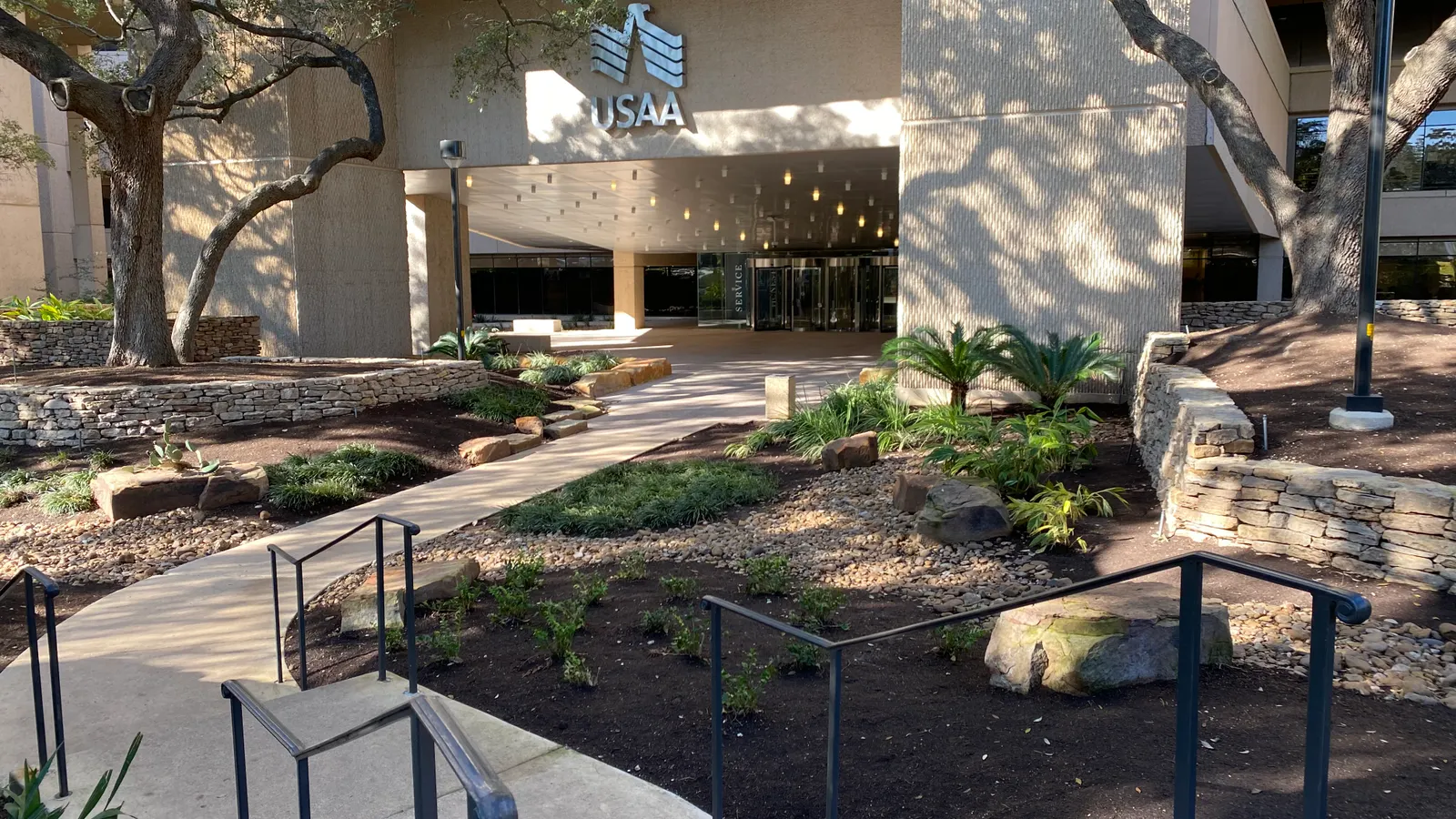
The agreement marks a watershed moment in modern banking. For USAA—a San Antonio-based institution historically known for aggressively litigating its intellectual property rights against commercial banks—this pact appears to be the first genuine, two-way cross-licensing deal struck with a fellow financial institution. Rather than deploying its usual litigious playbook of legal warnings and high-stakes courtroom battles, USAA has chosen collaboration with one of the nation’s largest consumer banks.
While the financial terms of the arrangement remain strictly confidential—with neither party disclosing whether monetary compensation exchanged hands—the ramifications of the deal are immediate and profound. By pooling their technological arsenals, Bank of America and USAA are signaling a new era of cross-industry cooperation, where legal hostilities over foundational digital infrastructure give way to shared access and mutual advancement. As financial technology continues to evolve at a breakneck pace, this partnership promises to shape the development of secure, customer-facing digital tools across the broader financial services ecosystem.
Detailed Chronology: The Evolution of Mobile Deposit and Patent Litigation
To fully comprehend the significance of this cross-license agreement, one must examine the tumultuous history of mobile deposit technology and the legal battlegrounds that defined the last decade and a half of banking innovation.
The Origins of Mobile Deposit Capture
The story of remote deposit capture (RDC) dates back to the early 2000s, an era when smartphones were in their infancy and depositing a check required a physical trip to a brick-and-mortar branch or an ATM. USAA, seeking innovative solutions to serve military personnel stationed internationally, on deployment, or in active combat zones where physical bank branches were nonexistent, partnered with identity verification software firm Mitek Systems. Together, they pioneered the foundational technology that allowed users to snap a photograph of a paper check and deposit it digitally into their accounts.
However, this fruitful partnership ultimately soured. Following a breakdown in relations, USAA and Mitek parted ways and independently launched competing mobile deposit capture products. This divergence sparked a protracted series of legal conflicts over the rights, licensing, and ownership of the underlying technology. Fortunately, the dispute reached a formal resolution in 2014 when the companies settled their differences, with both entities retaining their respective patents and setting the stage for the mobile banking revolution that followed.
USAA’s 2017 Enforcement Campaign
Armed with roughly 130 patents protecting its mobile deposit technology, USAA shifted its focus outward to the broader banking industry, where remote check deposit had quickly become an indispensable consumer feature.
In 2017, USAA escalated tensions by issuing formal warning letters to approximately 100 banks across the United States. The notices put the financial sector on alert: USAA claimed that their ubiquitous mobile deposit systems infringed upon its tightly guarded portfolio of intellectual property. While many institutions initially downplayed the warnings, USAA soon backed up its threats with aggressive legal action, filing federal lawsuits against several of the nation’s most prominent banking institutions.
Landmark Courtroom Battles and Multi-Million Dollar Verdicts
USAA’s litigation strategy yielded a mixed, yet remarkably lucrative, series of courtroom showdowns:
- The Wells Fargo Judgments: USAA targeted banking titan Wells Fargo in a pair of high-profile lawsuits. In 2019 and 2020, juries ruled in favor of USAA, resulting in two separate nine-figure judgments against Wells Fargo for willful patent infringement.
- The PNC Verdict and Appeal: In May 2022, a federal jury ordered PNC Bank to pay USAA a staggering $218.5 million after finding that PNC’s mobile deposit app infringed upon USAA’s patents. However, the legal pendulum swung back last year when a federal appeals court officially overturned the massive verdict, proving that patent litigation remains fraught with appellate uncertainty.
- Continued Legal Actions: Despite entering into various settlements, USAA has maintained its aggressive posture against holdouts. The San Antonio firm filed a lawsuit against Fifth Third Bancorp in early 2025, alleging continued infringement of its mobile deposit capture patents, and swiftly followed up with a similar lawsuit against Regions Bank weeks later.
The Pivot Toward Out-of-Court Settlements
Recognizing the exorbitant costs and unpredictability of prolonged litigation, USAA concurrently pursued a strategy of negotiating licensing agreements as an alternative to trial. Over the past several years, this pragmatic approach successfully brought multiple banking giants to the negotiating table:
- Discover (2023): Discover Financial Services signed a proactive licensing agreement to avoid court action altogether.
- Truist (October 2023): Truist Financial entered into a settlement agreement with USAA, formally resolving an ongoing patent infringement lawsuit.
- First Citizens Bank & Trust (October 2024): The Raleigh, North Carolina-based institution inked an RDC patent licensing agreement with USAA, further expanding the network of banks licensed to use the technology.
Supporting Context & Metrics: Patents as Currency
While USAA carved out its reputation through fierce courtroom defense of its mobile deposit patents, Bank of America approached the intellectual property landscape through prolific, internal R&D generation and systematic patent accumulation.
Bank of America’s Patent Factory
Bank of America stands as one of the most prolific corporate patent generators in the United States, frequently appearing on lists of top patent-receiving organizations across all industries—not just finance. The bank’s leadership has long cultivated an internal culture that rewards technological experimentation, digital engineering, and client-centric software development.
In March 2024, Bank of America released corporate data highlighting the breathtaking scale of its intellectual property portfolio. The Charlotte, North Carolina-based institution reported holding roughly 6,600 patents and patent applications. This figure represented an astonishing 70% increase in the total number of patents owned by the bank over a narrow five-year window.
These patents span a vast array of cutting-edge banking technologies, including:
- Artificial intelligence and machine learning algorithms for fraud detection.
- Advanced cybersecurity protocols and biometric authentication.
- Cloud-based transaction processing systems.
- Automated wealth management and digital advisory platforms (robo-advisors).
- Blockchain applications for institutional settlements.
The Significance of a Two-Way Cross-License
In the realm of intellectual property, a cross-license agreement is a powerful instrument. Rather than engaging in transactional licensing—where one party pays a royalty or fee to use another’s specific technology—a cross-license functions as a mutual exchange of intellectual capital.
By tying together Bank of America’s massive volume of digital, AI, and security patents with USAA’s foundational mobile deposit and financial services patents, both institutions have effectively built a protective moat around their operations. This arrangement eliminates the risk of future patent infringement litigation between the two signatories, insulating them from legal headwinds and freeing up substantial legal and operational resources. Furthermore, because no public record exists of any prior court action or animosity between Bank of America and USAA, this agreement represents a purely strategic, forward-looking alignment of corporate interests.
Official Statements
Executives from both institutions emphasized the mutual benefits, collaborative potential, and customer-centric vision underpinning the landmark cross-license agreement.
David Marx, Business Management and Controls Executive at Bank of America:
"Bank of America’s culture empowers our employees to explore and develop innovative solutions for individual and corporate clients. This is reflected in the size and ongoing growth of our patent portfolio. This agreement supports the application of innovations from Bank of America and USAA in ways that benefit our clients and contribute to continued progress across the financial services industry."
Mike Chaparro, Investments Principal at USAA:
"The technologies we have developed have helped make banking more secure and convenient for our members and brings value to our membership through continued innovation. We look forward to working with other banks and credit unions to create mutually beneficial licensing agreements, just as we have done with Bank of America."
These statements underscore a subtle yet significant evolution in industry sentiment. For USAA, the partnership signals a willingness to pivot from punitive enforcement to cooperative commercialization, opening the door for future agreements with smaller regional banks and credit unions. For Bank of America, the deal validates its massive ongoing investments in research and development, proving that its intellectual property assets hold immense value not just internally, but as currency in high-level corporate partnerships.
Future Outlook: What This Means for the Financial Sector
The cross-license agreement between Bank of America and USAA is expected to send ripples across the entire financial services and fintech landscape, prompting industry observers to analyze its broader implications.
1. A Blueprint for Future Banking Partnerships
For years, the relationship between mega-banks and specialized financial institutions was defined by aggressive IP policing, defensive patent hoarding, and multi-million-dollar court battles. By demonstrating that two dominant players can successfully execute a comprehensive, two-way cross-license agreement, Bank of America and USAA have established a new industry template. Other major financial institutions may soon look to replicate this model, opting to cross-license their digital portfolios rather than bogging down federal courts with complex patent infringement claims.
2. Implications for Remaining Litigants
It remains to be seen how USAA’s newly signaled appetite for cooperative agreements will impact its ongoing litigation against other banking entities. With active lawsuits currently proceeding against institutions like Fifth Third Bancorp and Regions Bank, legal analysts are questioning whether USAA will use this new pact with Bank of America as leverage to negotiate broader, amicable settlements across the remainder of the banking sector, or if it will maintain a dual-track strategy of litigation against holdouts while partnering with willing giants.
3. Accelerated Innovation for Consumers
Ultimately, the greatest beneficiaries of this cross-license agreement may be the everyday banking customer and military member. By removing the legal friction and administrative drag associated with proprietary technology silos, both Bank of America and USAA can more fluidly integrate, adapt, and build upon each other’s technological breakthroughs. Whether through enhanced mobile check processing speeds, heightened biometric security layers, or more intuitive AI-driven financial tools, consumers can expect a smoother, more secure digital banking experience as these two titans pool their ingenuity.